
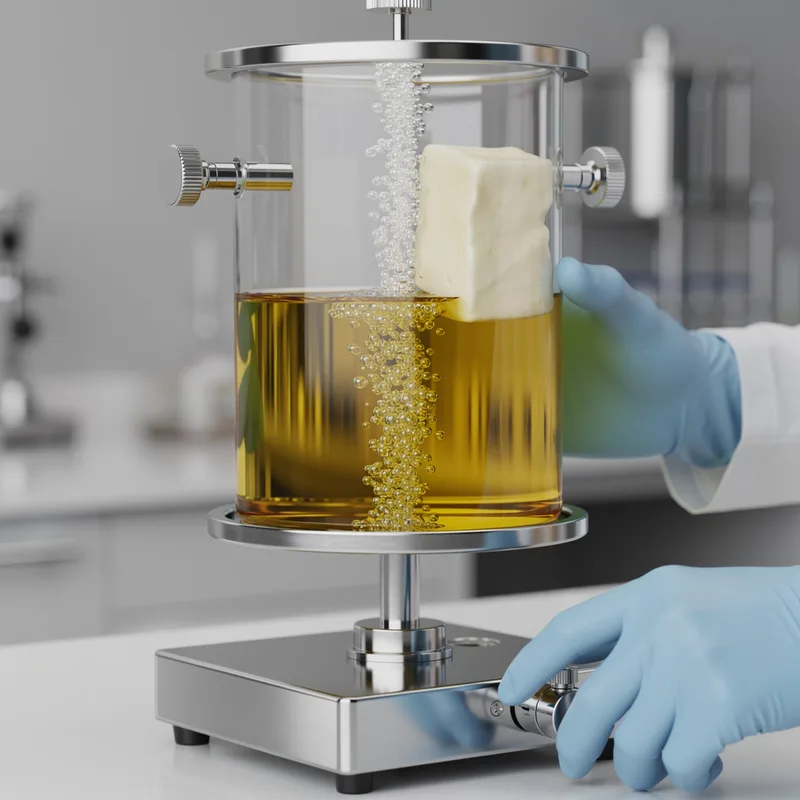
to hydrogenate
 6
8.1
6
8.1

- verb
- /haɪˈdrɒdʒəneɪt/
- Specialized
- Fried foods also contain large amounts of partially hydrogenated oils, which may lead to insulin resistance.
- partially hydrogenated
- hydrogenated oils
Examples
-
Pork lard that you find at the grocery store is hydrogenated and filled with preservatives and chemicals.
Blog text (17) -
Average modern Americans are polyunsaturated and hydrogenated mainly from vegetable oils derived from soy, corn, safflower, sunflower, and rapeseed.
Blog text (24) -
The FDA is giving companies until 2018 to stop using partially hydrogenated oils.
Academic text (2015) -
You should keep away from trans fats, such as hydrogenated oils, as much as possible.
Blog text (2) -
There, the oil is partially hydrogenated for use in margarines and shortenings.
Academic text (1991) -
They're full of hydrogenated palm oil, and sugar, and corn syrup.
-
First, I started with small changes: eliminating anything with hydrogenated oil or high fructose corn syrup in it.
Blog text (8) -
Most name-brand peanut butters have hydrogenated oil mixed in to make them spreadable and extra sugar to hook kids.
Blog text (15) -
The FDA wanted P&G to call hydrogenated cottonseed or soybean oil "Crisco base" on the label, but the company objected.
Academic text (2016) -
Many food manufacturers hydrogenate oils to increase shelf life and improve texture.
Antonyms
How Hydrogenated
- Specialized
6
8.1

- Specialized
Surface Forms
Morphology
Etymology
Hydrogenate comes from hydrogen, which itself is made of Greek parts hydro- 'water' (seen in words like 'hydroelectric') and -gen 'maker', plus the ending -ate meaning 'to make'. So to hydrogenate is to 'add hydrogen' to something — in chemistry this means putting hydrogen atoms into a substance, which is exactly what the process does.