
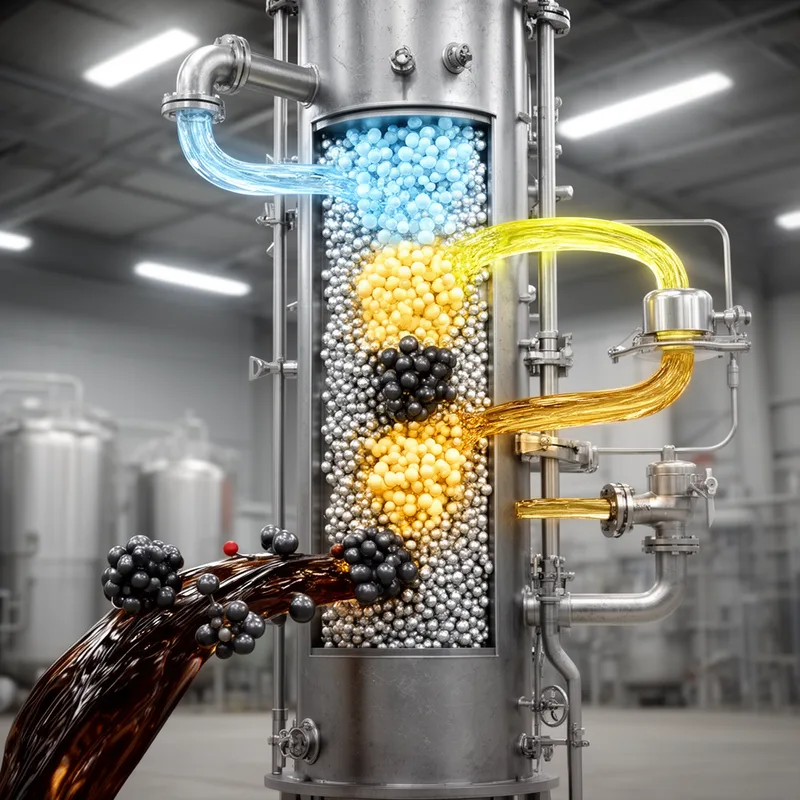
hydrocracking
- noun
- /ˈhaɪdroʊˌkrækɪŋ/
- Specialized
- The process of hydrocracking transforms heavy oils into lighter fuels like gasoline by adding hydrogen at high pressure.
Examples
-
Hydrocracking, which is a high-pressure process that relies on hydrogen to saturate various products, will enable them to make more diesel from a given barrel of petroleum and less gasoline.
Academic text (2004) -
There are two different ways to make green diesel: gasification and subsequent Fischer-Tropsch or hydrocracking of vegetable oils or animal fats.
Blog text (32) -
In modern refining, hydrocracking is essential for producing cleaner fuels that meet environmental standards.
-
Many oil refineries use hydrocracking to improve the yield of valuable products from crude oil.
Synonyms

 1
6.6
1
6.6

The process of breaking large parts of crude oil into smaller parts to make fuel
Surface Forms
Morphology
Etymology
Hydrocracking comes from two parts: hydro- meaning 'water' (as in hydrogen) and cracking meaning 'to break'. So hydrocracking is like 'breaking with hydrogen', which helps turn large oil molecules into smaller, useful fuels.