

hydraulic cement
- noun
- /haɪˈdrɔːlɪk ˈsɛmɛnt/
- Specialized
- The contractor used hydraulic cement for the underwater repairs.
Examples
-
Unlike other types, hydraulic cement can set quickly under water.
-
The engineers selected hydraulic cement to repair the leaking dam wall.
-
Modern building foundations often use hydraulic cement because it hardens efficiently even when wet.
-
I bought some hydraulic cements for the construction project.
-
Hydraulic cement is often used in construction because it hardens quickly when mixed with water.
-
The contractor chose a hydraulic cement that sets under water for the swimming pool project.
-
After pouring the hydraulic cement, we noticed it began to harden almost immediately.
Synonyms


 1
4.8
1
4.8
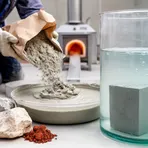
A common building powder made by heating and grinding a type of rock and clay that hardens under water
Surface Forms
Morphology
The meaning is directly derivable from combining 'hydraulic' (relating to liquids or water pressure) with 'cement' (a binding material): a cement that works with or because of water. Although somewhat technical, the adjective+noun composition follows a regular, cross-linguistic pattern, so a learner who knows both constituents would infer its intended meaning (e.g., suitable for underwater use).
Etymology
Hydraulic cement gets its name from hydraulic, meaning 'working with water', and cement, a material that becomes hard. Because this kind of cement actually 'hardens' when you add water or even while 'under water', the name reminds you it works in wet places.