
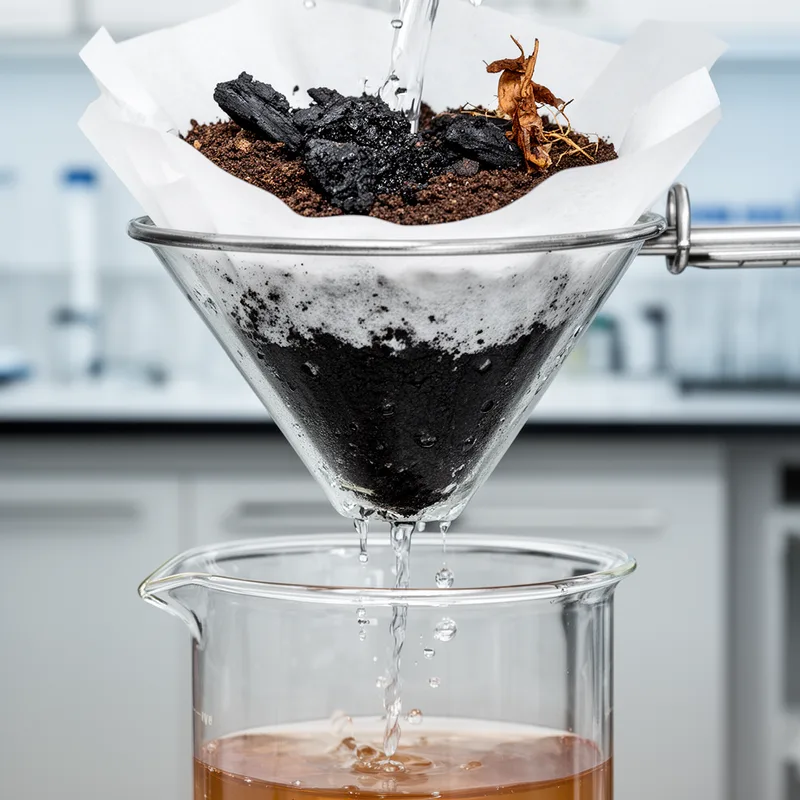
humin


 1
9.9
- noun
- Specialized
- The scientist extracted humin from the soil sample for further analysis.
Examples
-
Researchers study humin to better understand soil organic matter composition.
-
The soil is rich in humin.
-
Because humin is not soluble in water, it remains as residue after other substances are washed away.
-
Farmers often add humin to improve soil quality.
-
Because humin is not soluble in water, it remains as residue after other substances are washed away.
-
Researchers study humin to better understand the organic substances in soil.
-
The scientist extracted humin from the soil sample to analyze its composition.
Synonyms
 3
5.8
Decayed plant matter in soil that helps plants grow
 1
7.9
A dark material made from dead plants and animals found in soil and peat
Surface Forms
Morphology
Etymology
Humin comes from the Latin word humus, which means 'earth' or 'soil', and it names the dark part of old plants left in the ground. So, humin is the black organic substance in soil that does not dissolve in water.