
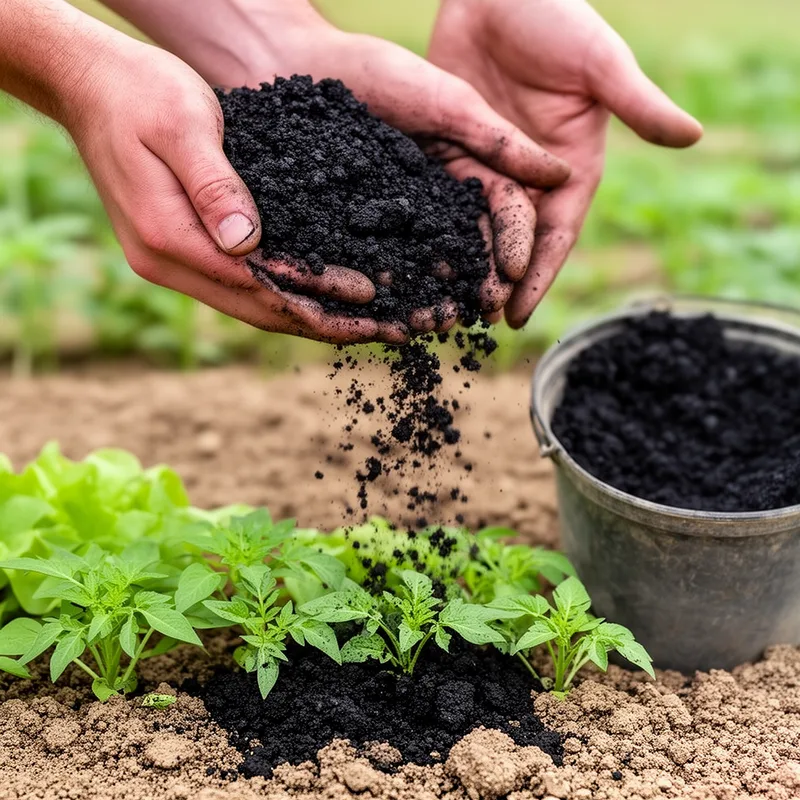
humate


 1
9.1
- noun
- /ˈhjuːmeɪt/
- Specialized
- Using humate as a soil amendment can enhance the nutrient-holding capacity of the earth.
Loading YouTube…
Watch on YouTubeChlorophyll I think is good humate, which you can find in so in some probiotic supplements.
- Chlorophyll I think is good humate, which you can find in so in some probiotic supplements.
Examples
-
Farmers often apply humate to improve soil fertility and boost plant growth.
-
Yellowhorse, we own Idaho and we're not sure what Humate is, but we want to use it on our farms.
-
Chlorophyll I think is good humate, which you can find in so in some probiotic supplements.
-
The gardener purchased humate to enrich her vegetable garden and promote healthy crops.
Synonyms
 1
6.9
A dark brown substance in soil made from dead plants and animals that helps hold water
 1
7.9
A dark material made from dead plants and animals found in soil and peat
Surface Forms
Morphology
Etymology
Humate comes from the Latin root humus, meaning 'earth' or 'soil', and it shares that root with the garden word humus. So a humate is a soil substance rich in 'humic' acids that farmers and gardeners add to make soil healthier.