

hispid
- adjective
- /ˈhɪspɪd/
- Specialized
- The leaves of the nettle are hispid and can irritate the skin on contact.
Examples
-
The botanist examined the hispid stems of the plant under a microscope.
-
Many species of caterpillars are identified by their hispid bodies covered with bristles.
-
The hispid texture of the plant made it difficult to touch.
-
Many hispid species thrive in dry environments.
-
Many species of caterpillars are identified by their hispid bodies covered with bristles.
-
The botanist examined the hispid stems of the plant under a microscope.
-
The leaves of the nettle are hispid and can irritate the skin on contact.
Synonyms
 1
6.3
1
6.3

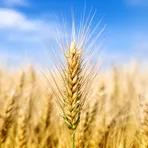
With long stiff hairs that grow on the seed heads of some grains

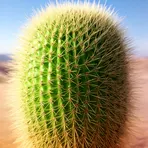
Covered with many short stiff hairs or small sharp points
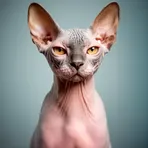
Having short stiff hairs like a brush
Antonyms

Compounds

- Specialized
A small mouse with stiff fur and cheek pouches that lives in dry grasslands
How Hairy

Surface Forms
Etymology
Hispid comes from the Latin hispidus, which means 'rough' or 'bristly'. So, a hispid leaf or animal has stiff, coarse hairs or bristles that make it feel rough.