
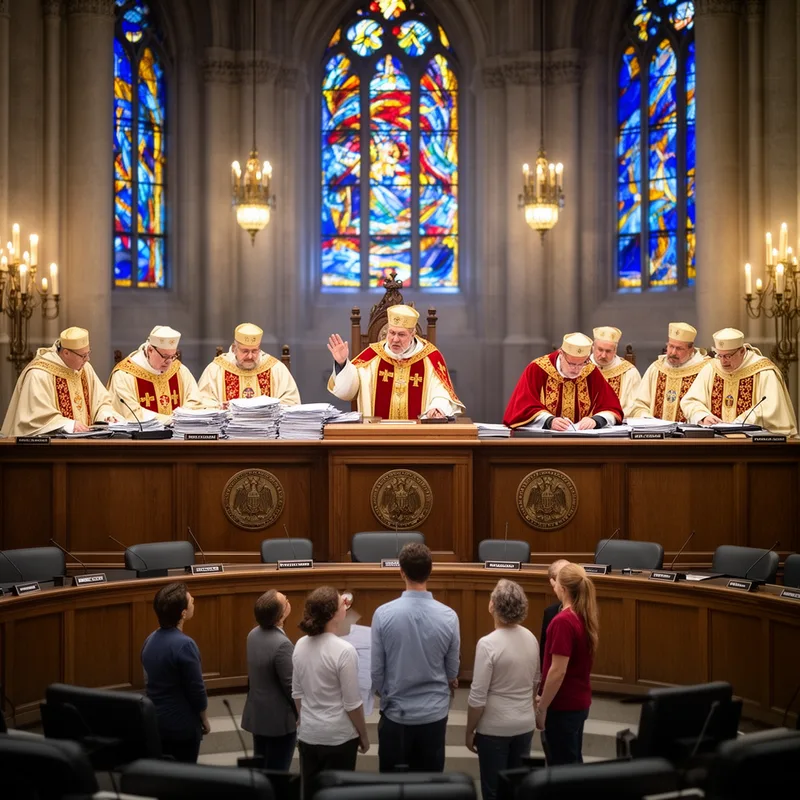
hierocracy


 1
9.9
- noun
- /ˌhaɪəˈrɒkrəsi/
- In a hierocracy, the clergy often dictate laws based on religious texts and beliefs.
Examples
-
During the hierocracy, decisions regarding the community were made exclusively by religious leaders.
-
The city's hierocracy faced criticism for limiting civil rights under the guise of religious authority.
-
Muhammad Reza Pahlavi, the Shah of Iran from 1941 to 1979, would embrace this policy in his efforts to mend governmental relations with the hierocracy.
Academic text (2004) -
By engaging minority groups with their own symbolism and religious discourse, the Bahá'ís represented an inviting alternative to the dominant Sh' hierocracy.
Academic text (2004)
Synonyms
 58
8.3
A country run by religious leaders where laws come from a religion
 18
7.7
Religious leaders run a country and say they rule by God's will
 1
9.9
A system where church leaders control the government
How Clerical

Surface Forms
Morphology
hierocracy = hiero + cracy
The word is built from the classical elements 'hiero' and '-cracy', but those components are not transparent to an average B1 learner.
Etymology
The word hierocracy comes from Greek parts hiero- meaning 'sacred' or 'priest' and -ocracy meaning 'rule', like in theocracy. Think of it as 'priests in charge', which is why it means rule by religious leaders.