
heterological
- adjective
- /ˌhɛtərəˈlɒdʒɪkəl/
- Specialized
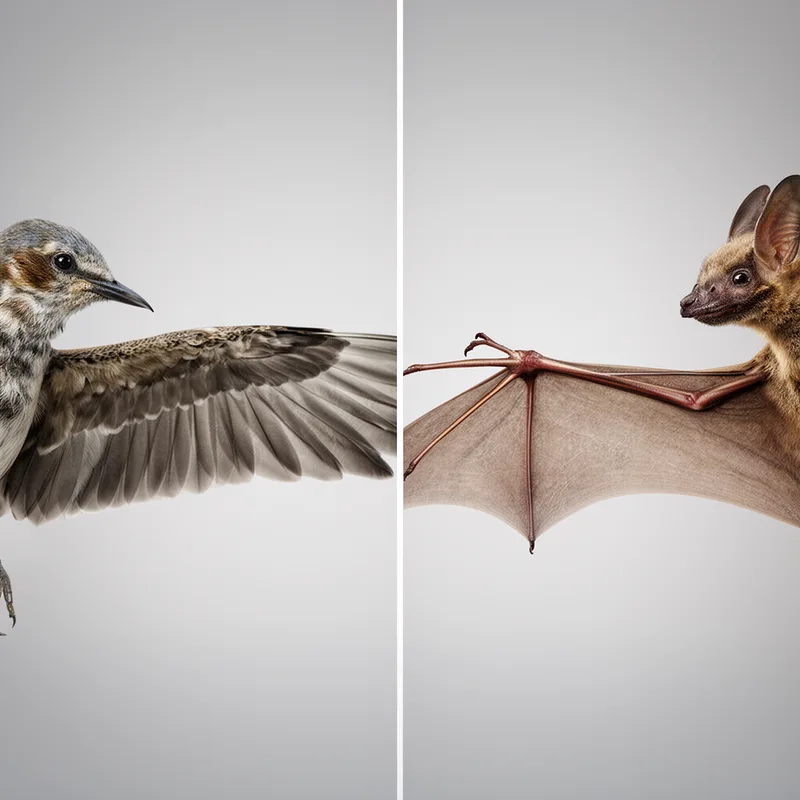
- In biology, heterological features are those traits that do not share the same evolutionary origin or function as others in the species.
Examples
-
That El Greco did so with formal techniques developed in the largely naturalistic Renaissance only confirmed Dvorak's belief in art's ability to express the emergence of heterological ideas.
Academic text (1992) -
Gothic art represents the emergence of a new heterological Weltanschauung, in which the aims of the naturalistic art of classicism and the interest of Early Christianity in the supernatural coexist.
Academic text (1992) -
The concept of heterological words is important in linguistics, as it highlights terms that lack a direct correspondence to their meanings.
-
Understanding heterological characteristics can help us study how different species adapt in unique ways that are not always related.
Synonyms

Having a different origin or structure from something else

Parts that are different in form and evolved separately, like butterfly and bird wings

From a different species or source than the usual one
Not the same type of cell or structure
Antonyms


How Corresponding

Surface Forms
Morphology
Etymology
The word heterological comes from the Greek parts hetero- meaning 'different' and -logical which shares its root with the familiar word logic, meaning 'word' or 'reason'. So, something heterological is 'different' in origin or type from another thing, and the term is used for words or biological features that do not match each other.