
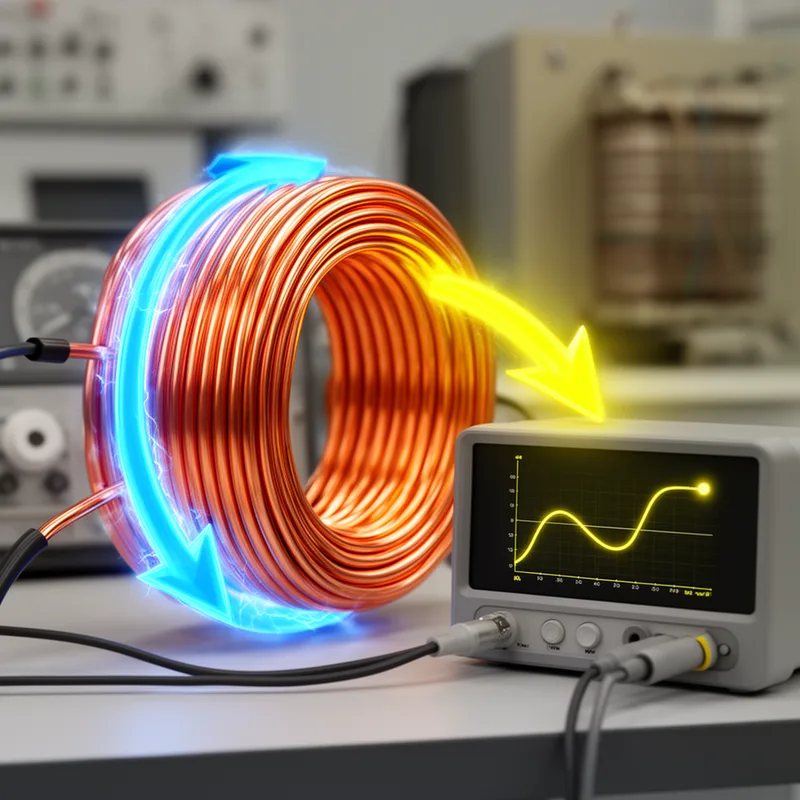
henry
- noun
- /ˈhɛnri/
- Specialized
- A henry is the unit used to measure the inductance in electrical circuits.
Examples
-
A henry is a measure of electric inductance.
Academic text (2000) -
Another advantage of not having iron in the rotor is extremely low winding inductance, usually in the micro-henry region.
Academic text (1994) -
The inductor has a value of three henries, which means it can store a significant amount of energy.
-
When designing circuits, engineers often refer to the henry for calculating inductance values.
Synonyms

 1
7.1
1
7.1

The symbol for henry, the unit for electrical inductance
Idioms

Trying very hard even when facing a much stronger opponent
Compounds


King of England from 1399 to 1413 who took the throne from Richard II and faced many rebellions

How Inductive
- Specialized

- Specialized
Surface Forms
Etymology
Henry is named after the American scientist Joseph Henry, who made key discoveries about electricity and magnetism. So a henry is the unit that measures 'inductance', and you can remember it as the scientist's name for how a circuit resists a change in current.