
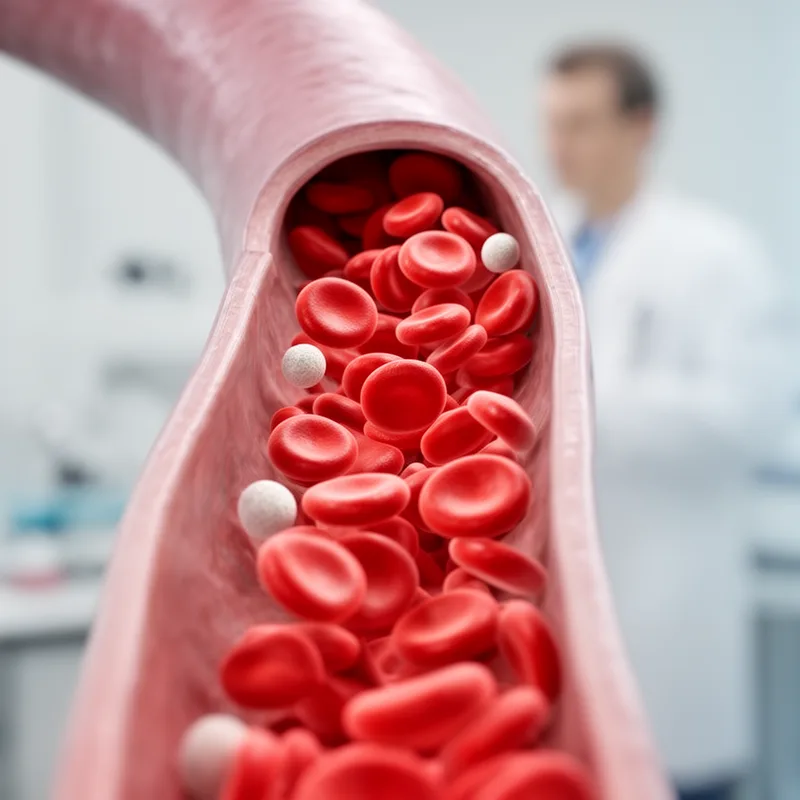
hemic
- adjective
- /ˈhɛmɪk/
- Specialized
- The doctor diagnosed a hemic disorder affecting her red blood cells.
Examples
-
Researchers developed a new drug to address hemic complications in anemia patients.
-
Doctors study hemic conditions to understand blood disorders.
-
Certain hemic conditions require specialized treatment from a hematologist.
-
The hemic system is crucial for blood circulation.
-
The doctor diagnosed a hemic disorder affecting her red blood cells.
-
Researchers developed a new drug to address hemic complications in anemia patients.
-
Certain hemic conditions require specialized treatment from a hematologist.
Synonyms
 1
7.2
1
7.2

Relating to blood and its diseases
 1
7.4
1
7.4
Relating to blood, how the body makes it, or blood diseases
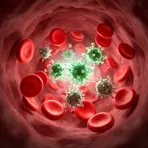
Relating to blood or affecting blood cells
About blood or the tubes that carry it
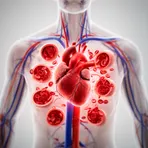
Connected with blood or the tubes that carry it
Surface Forms
Morphology
hemic = hemo (semi-transparent) = hemo + ic
Formed from the combining form 'hemo-' meaning 'blood' plus the adjectival suffix '-ic'; since 'hemo-' is a technical combining form rather than a standalone word, the link may not be obvious to general learners.
Etymology
Hemic comes from the old Greek root haima, which means 'blood', and you can see this same root in words like hemoglobin and hematology. So, hemic means 'relating to blood'.