
heliacal


 1
9.9
- adjective
- /hɪˈlaɪ.ə.kəl/
- Specialized
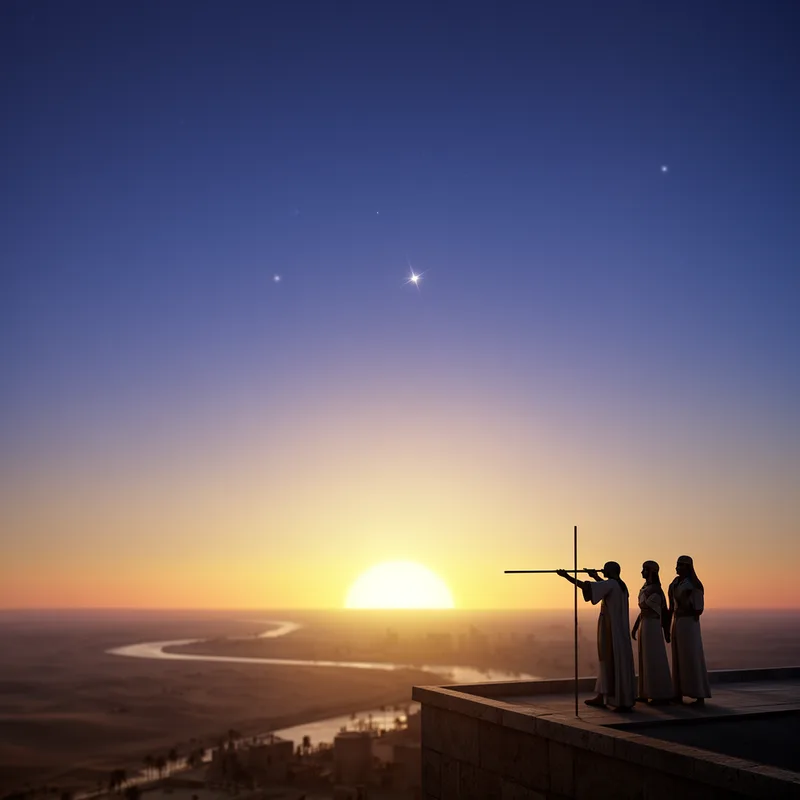
- For the ancient Egyptians, the heliacal rising of the star Sirius predicted the flooding of the Nile, signaling the optimal time for planting.
- heliacal rising
Examples
-
The heliacal rising of the star Sirius was crucial for the ancient Egyptians' agricultural calendar.
-
Astronomers often mark the heliacal setting of bright stars to track seasonal changes.
-
The pictures depict heliacal rising events and accompanying omens; for example, in the center picture on the right side, the male Venus god flings daggers of light.
Academic text (1995) -
Many ancient cultures celebrated the heliacal appearance of planets as significant astronomical events.
Antonyms


Surface Forms
Morphology
heliacal = helio + al
The combining form 'helio-' (meaning 'sun') is not a standalone English word familiar to B1 learners, so knowing common English morphemes will not let learners reliably infer the meaning of 'heliacal'.
Etymology
Heliacal comes from the Greek Helios meaning 'sun' and the ending -al meaning 'related to'. You can remember the root in English words like helium, which was named after the sun. So a heliacal rising is the first time a star becomes visible near the sun or the last time it disappears, and the word now means a star's appearance because of the sun.