
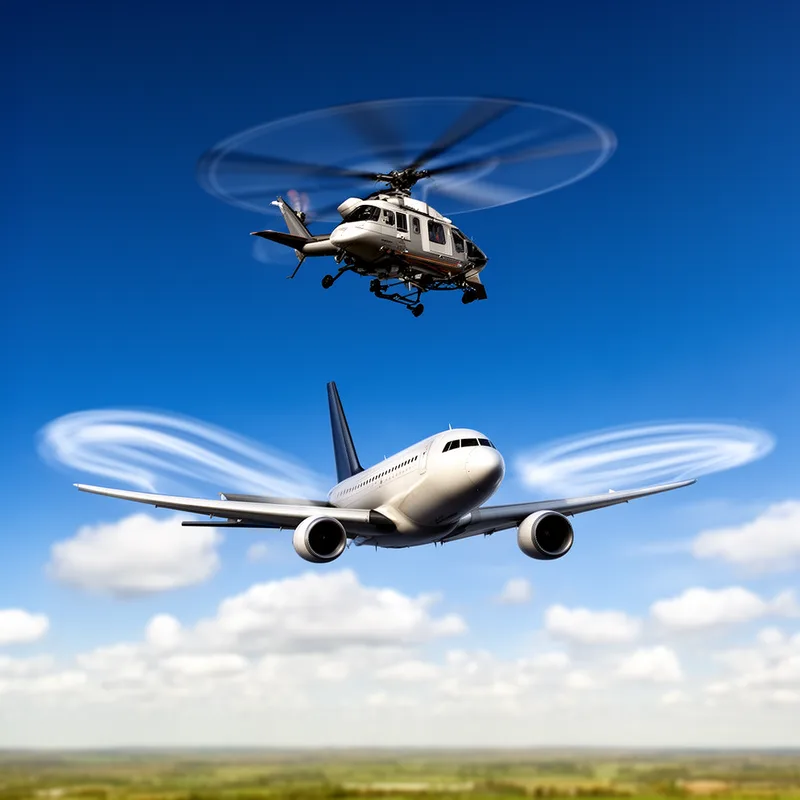
heavier-than-air
 1
7.1
1
7.1

- adjective
- /ˈhɛviər ðən ɛr/
- Specialized
 :
más pesado que el aire
:
más pesado que el aire
- One of the first things you see inside the museum is a replica of the Wright's 1902 Flyer, the first successful powered heavier-than-air craft.
Examples
-
Two brothers, Orville and Wilbur Wright- bicycle builders from Dayton, Ohio- on the morning of December 17... set up on the sands of Kitty Hawk, North Carolina... their first heavier-than-air flying machine.
-
Pilots must understand the principles of heavier-than-air flight to operate airplanes safely.
-
Another example of this is the reaction of perfectly normal people to the notion of heavier-than-air flight.
Blog text (32) -
Accordingly, through a century of heavier-than-air flight, the federal government has been the major actor in developing and using air and spacecraft.
Blog text (15) -
The Wright brothers proved that heavier-than-air powered airplanes can fly.
Academic text (2007) -
Heavier-than-air flying machines were dropping bombs and engaging in air-to-air combat.
Academic text (2003) -
Dr. MacCready became internationally known in 1977 as the "father of human-powered flight" when his Gossamer Condor made the first sustained, controlled flight by a heavier-than-air craft powered solely by its pilot's muscles.
Blog text (7) -
The Wright brothers developed the first heavier-than-air aircraft that achieved controlled flight.
-
Innovations in technology have allowed heavier-than-air vehicles to become more efficient and faster.
Antonyms
How Buoyant
- Specialized
1
6.8

- Specialized
1
7.1
Surface Forms
Morphology
Etymology
Heavier-than-air names something that is literally heavier than the air around it: heavier means 'more heavy' and air means 'the gas around us'. That is why heavier-than-air machines, unlike balloons, must use wings or rotors to make lift and stay up in the sky.