
haunting
 18
6.7
18
6.7

- noun
- /ˈhɔːntɪŋ/
- Ed and Lorraine Warren investigated this haunting in a futile attempt to intervene on their behalf.
Loading YouTube…
Watch on YouTubeLegends say I'm not getting first hand reports of hauntings.
- Legends say I'm not getting first hand reports of hauntings.
- No, The Haunting The Haunting of Hill House by Shirley Jackson.
- This is Good Morning Midnight and my last arc that I read was The Haunting of Velkwood.
Examples
-
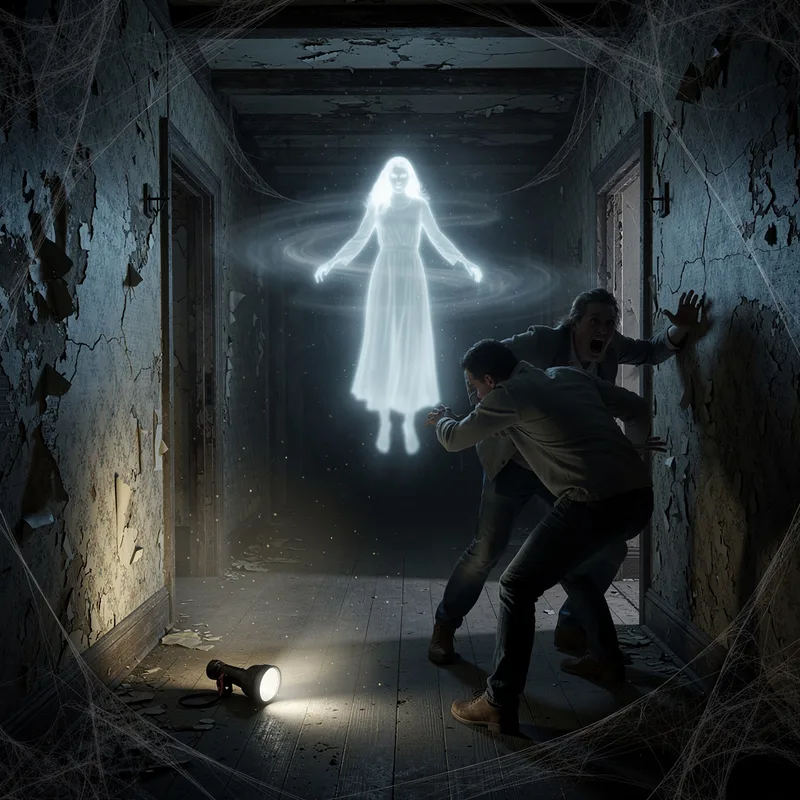
This woman is describing a class 3 haunting in her house.
-
For the past 13 years, I've investigated over 1,000 hauntings.
-
Your garden would make a fine site for a haunting.
Fiction book (2002) -
We tried leaving the city, moving from hotel to hotel, but the hauntings just kept getting worse and worse.
-
These hauntings can be terrifying things.
-
The other is called an intelligent haunting, when the spirit is very aware that you're there.
Blog text (28) -
"All of you here," Robert Foong began, "are experiencing some type of haunting by deceased family members."
Fiction book (2002) -
This is the true story of the hauntings of Fukushima.
-
The old mansion is known for its frequent haunting by the ghost of a former resident.
-
Many believe that the haunting at the abandoned church is due to the restless spirits of the past.
Compounds

How Often

Surface Forms
Morphology
Etymology
Haunting comes from the old English verb haunt, meaning 'to visit often' or 'a place you go to a lot'. That's why a haunting can mean the repeated appearance of a ghost in a building or place.