
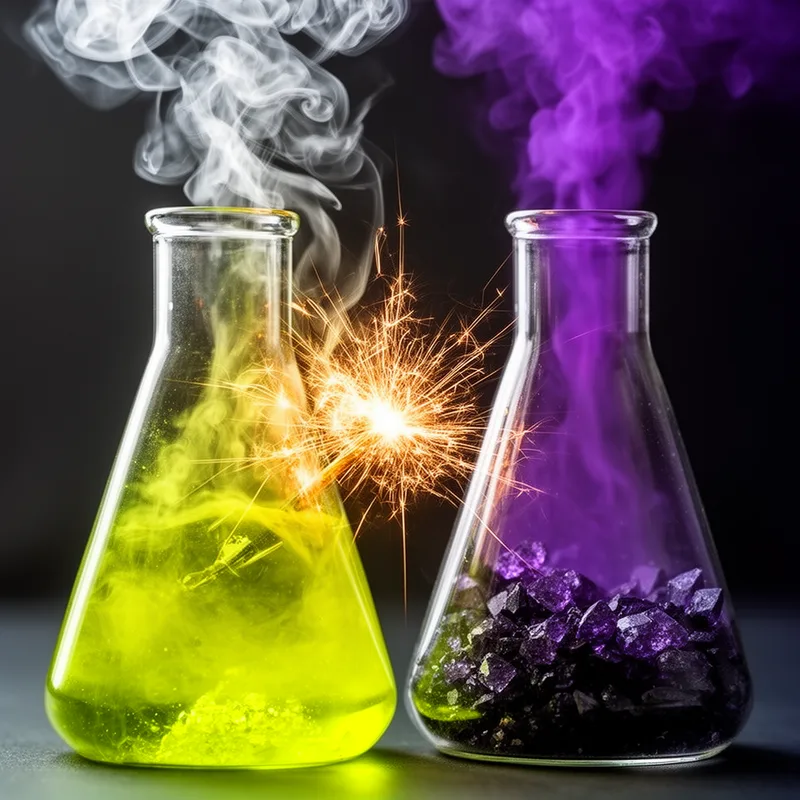
halogen
 10
6.9
10
6.9

- noun
- /ˈhælədʒən/
- Specialized
- In chemistry, a halogen is an element that easily forms negative ions.
- halogen lamps
- halogen atoms
- halogen molecules
Examples
-
Iodine is one of the halogens, right?
-
So we often think about halogens when we're talking about this, like chlorine.
-
So just show us again our halogens here, OK?
-
So carbon with a halogen is unusually low, right?
-
Huge numbers of molecules have halogens added to them.
-
Entering the apartment, Betsy's father switched on a tall halogen lamp near the door.
Fiction book (1998) -
Among the four halogens, fluorine is the most electronegative and iodine the least.
Academic text (2012) -
Illumination was provided by two 300W tungsten halogen lamps in standard exterior floodlight fittings.
Academic text (2010) -
Fluorine, chlorine, bromine, iodine, and astatine are all examples of halogen elements.
-
The presence of a halogen in a compound typically increases its reactivity.
Surface Forms
Morphology
halogen = halo + gen
Formed from Greek combining forms 'halo-' (salt) + '-gen' (producing); these combining forms are not productive or familiar to average B1 learners, so the chemical meaning ('salt‑former') is not derivable from known English base words.
Etymology
Halogen comes from Greek parts hal- meaning 'salt' and -gen meaning 'to produce', the same -gen you see in 'generate'. Chemists called these elements 'salt producers' because they easily form salts with metals, so the name explains what they do.