
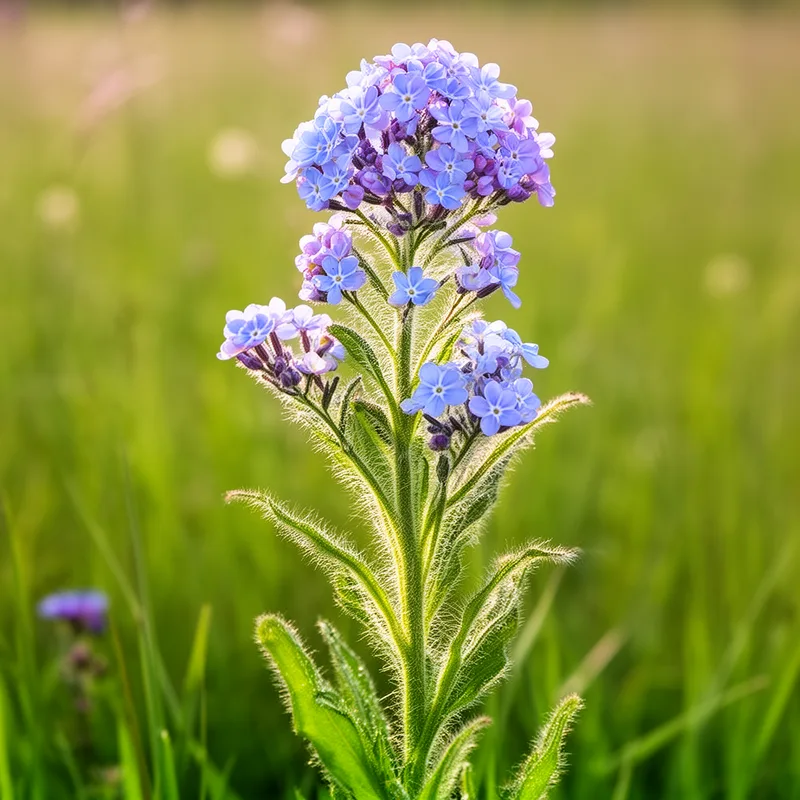
gypsyweed
- noun
- NSFW
- Gardeners sometimes plant gypsyweed for its delicate blue flowers and hardy nature.
Examples
-
Botanists often note the hairy stems of gypsyweed when identifying it in the wild.
-
The meadow was dotted with blooming gypsyweed in the late spring.
-
The gypsyweed blooms beautifully in the spring.
-
Many gardeners appreciate gypsyweed for its vibrant colors.
-
Gardeners often choose gypsyweed for its attractive pale blue flowers that enhance garden aesthetics.
-
In early summer, fields are alive with the sight of gypsyweed, showcasing its lovely lilac blooms.
-
The thick clusters of gypsyweed can easily be spotted along the paths in local nature reserves.
Synonyms

A small common European plant with hairy stems and pale blue or lilac flowers

A small hairy plant that lives for many years with pale blue or lilac flowers
Surface Forms
Morphology
Etymology
Gypsyweed combines gypsy and weed. A helpful way to remember it is to think of a small wild plant noticed by travelling people: gypsy here means 'traveller' and weed means 'common plant', so the name points to a hardy, hairy wild flower with pale blue blooms.

