

gum plant
- noun
- /ɡʌm plænt/
- Specialized
- Livestock are kept away from fields of gum plant because of its toxic effects.
Examples
-
The dried leaves of the gum plant were historically used in medicinal remedies.
-
I spotted several gum plants growing near the river in California.
-
The gum plant is often found in dry areas.
-
Many gum plants grow along the roadside.
-
Livestock are kept away from fields of gum plant because it can be poisonous to them.
-
The dried leaves of the gum plant have been used in traditional medicine for their healing properties.
-
I spotted several gum plants with sticky stems in the desert landscape of Arizona.
Synonyms

A western North American plant with sticky sap and yellow flowers that can poison livestock
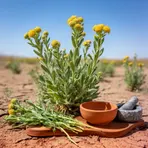
A group of sticky, coarse herbs from western North and Central America used in traditional medicine

A plant that lives for many years with sticky leaves and yellow flowers that grows in California or Baja California

A perennial plant with yellow flower heads and sticky sap native to western and central North America
Surface Forms
Morphology
The meaning is directly compositional: 'gum' (resinous sap-producing) modifies 'plant' (a plant), so the phrase denotes a plant associated with gum or resin. This noun–noun modifier pattern is common and cross-linguistically transparent, so a B1 learner who knows both words would likely infer the intended meaning.
Etymology
Gum plant gets its name from the sticky gum or sap on the plant's leaves and stems, which feels like chewing gum. So the name now refers to certain western American plants with that sticky sap that were used in old medicines and can be 'poisonous to livestock'.

