
gluconeogenesis


 1
9.9
- noun
- /ˌɡluːkoʊniˈoʊdʒənəsɪs/
- Specialized
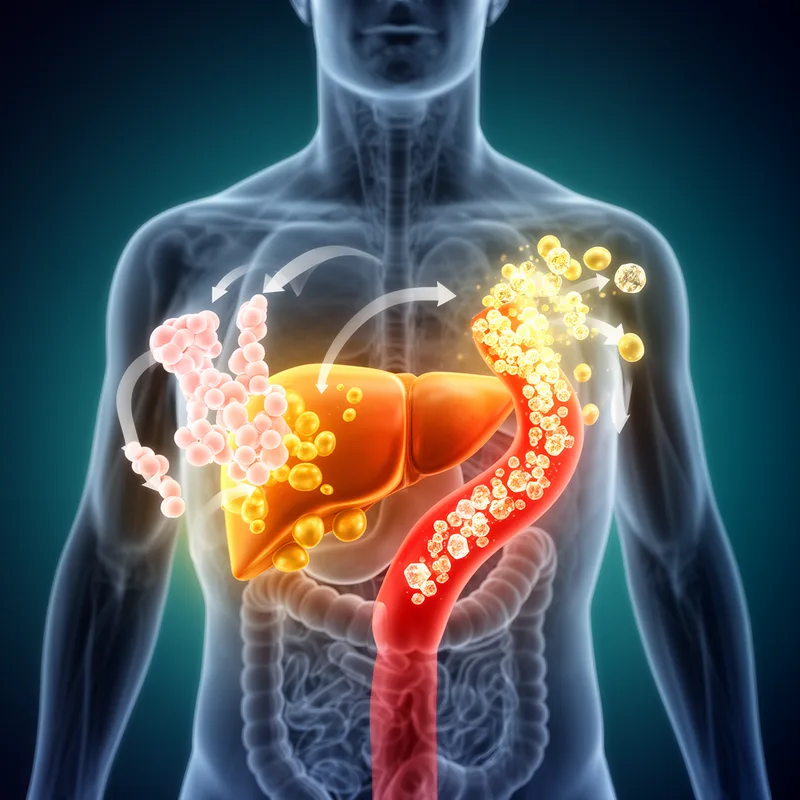
- Glucose production from amino acids occurs via gluconeogenesis, ensuring energy supply during carbohydrate restriction.
Loading YouTube…
Watch on YouTubeThis is this is gluconeogenesis happens across all kingdoms.
- This is this is gluconeogenesis happens across all kingdoms.
- And glycerol turns out to be a byproduct of fat, but also is what's using gluconeogenesis to make sugar when to, to feed the brain.
Examples
-
There is no physiological need for dietary carbohydrates; the body can make what it needs via gluconeogenesis.
Blog text (30) -
In hepatocytes, insulin resistance is marked by increased hepatic gluconeogenesis and reduced glycogen formation.
Blog text (27) -
This is a biochemical fact and a process known as gluconeogenesis.
Blog text (30) -
The association of obesity with carbohydrate consumption may come from the need to supply glucose and insufficient liver capacity for gluconeogenesis.
Blog text (3) -
Ascorbic acid plays a key role in gluconeogenesis. Ascorbic acid, as an antioxidant, interrupts free radical chain reactions in the body (Powers and Jackson, 2008).
Academic text (2015) -
While you sleep, your body is replacing any deficiency in muscle glycogen by digesting and absorbing your dinner or by oxidizing fat into glycogen via gluconeogenesis.
Blog text (8) -
If I haven't eaten any carbs and my hepatic glycogen stores are fully depleted, I understand that my gluconeogenesis requirement would be about 8 grams an hour or roughly 200 g/day.
Blog text (34) -
The body can produce glucose from fats and protein through a process called gluconeogenesis.
-
During fasting, gluconeogenesis helps maintain blood sugar levels by converting non-carbohydrate sources into glucose.
Surface Forms
Morphology
Etymology
The word gluconeogenesis breaks into the parts gluco- 'sugar', neo- 'new', and -genesis 'creation'. So it literally means 'making new sugar', which is what the body does when it makes glucose from other things like proteins or fats to give energy.