
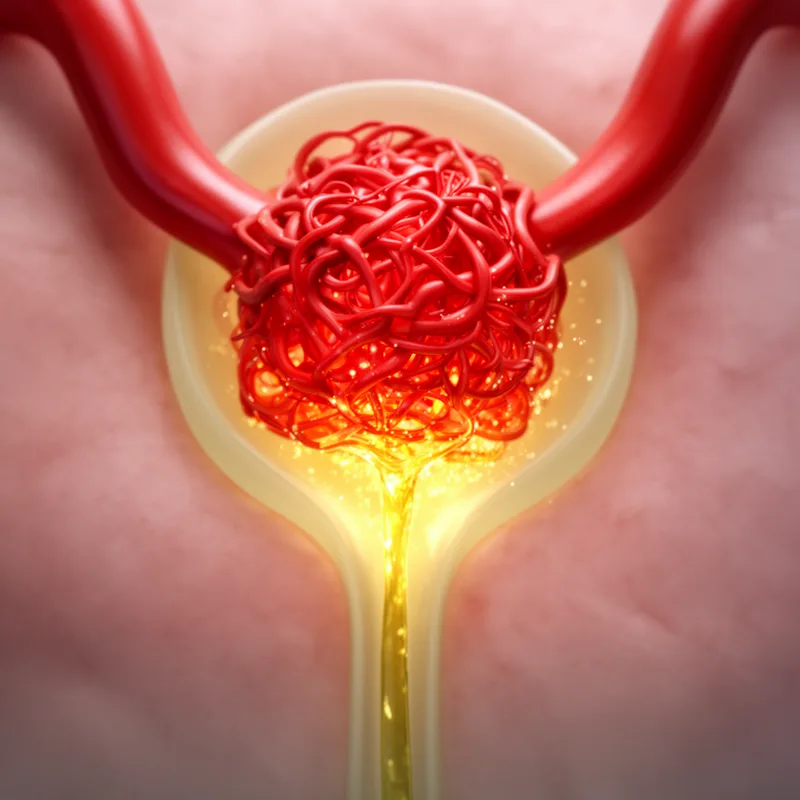
glomerulus
- noun
- /ɡloʊˈmɛrələs/
- Specialized
- Each glomerulus receives inputs from one single type of odorant receptor (the color-coding above should explain that better than words can).
- human glomerulus
Examples
-
Each glomerulus consists of a network of small blood vessels that filter waste from the blood.
-
You can see that the blood comes in, it goes to the glomeruli, it gets filtered, it goes back in and goes back into the vein.
-
The glomerulus is where these two sets of tubules meet.
-
It's the rate at which filtrate is being produced in all the glomeruli of our kidneys.
-
So this structure that surrounds the glomerulus, it's called the proximal tubule.
-
Myoglobin is filtered by the glomerulus, initially appearing as casts.
Academic text (2005) -
When a receptor (on a cilia) is activated by its respective odorant molecule, a signal is sent upward to a glomerulus (see above picture).
Blog text (20) -
The glomerulus filters blood to form urine in the kidneys.
-
In the human kidney, the glomerulus plays a crucial role in the urinary filtration process.
Surface Forms
Etymology
Glomerulus comes from the Latin root glomus, meaning 'ball', plus the small ending -ulus, meaning 'little', so it literally means a 'small ball'. In the kidney a glomerulus is a tiny ball-like group of blood vessels that acts as a filter, which is why the name fits.

