
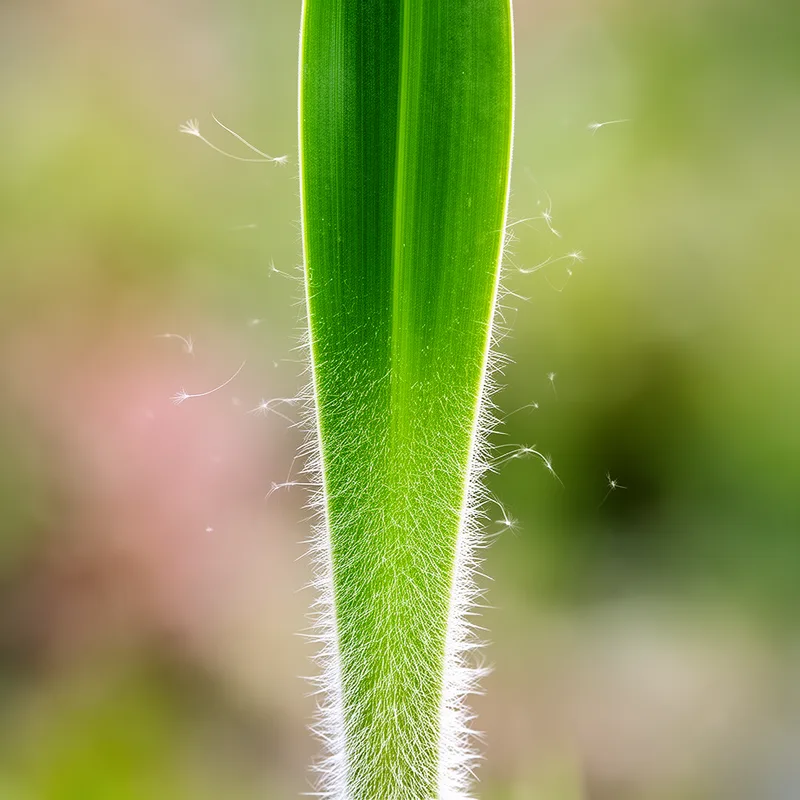
glabrescent
- adjective
- /ɡlæˈbrɛsənt/
- Specialized
 :
glabrescente
:
glabrescente
- The leaves of the plant are initially hairy but become glabrescent as they mature.
Examples
-
In spring, the stems appear fuzzy, but by summer they are almost completely glabrescent.
-
The glabrescent stems of the plant are smooth to the touch.
-
Many amphibians display glabrescent skin as they develop into adults.
-
After a few weeks, the leaves became glabrescent.
-
The leaves of the plant are hairy at first, but they become glabrescent as they mature.
-
Many amphibians exhibit glabrescent skin when transitioning from larvae to adults.
-
In summer, the stems of the plant are glabrescent, lacking hair and smooth to the touch.
Synonyms
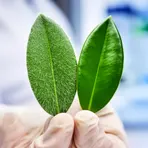
Smooth and without hair, like leaves or skin
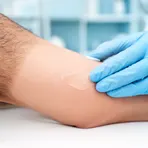
A part of the body that has no hair

Having only a little hair on the head
Antonyms
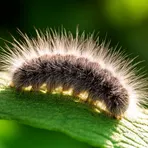


How Hairless

Surface Forms
Morphology
glabrescent = glabrous (opaque) = glabr + escent
The word is built on the learned base 'glabrous' plus '-escent', but the base is uncommon enough that most B1 learners would not infer the meaning reliably.
Etymology
The word glabrescent comes from the Latin glaber meaning 'bald' and the ending -escent meaning 'becoming'. So glabrescent literally means 'becoming bald', which is why we use it for plant or animal surfaces that lose hair and become smooth.