
genistein


 1
8.8
- noun
- /ˈdʒɛnɪˌstin/
- Specialized
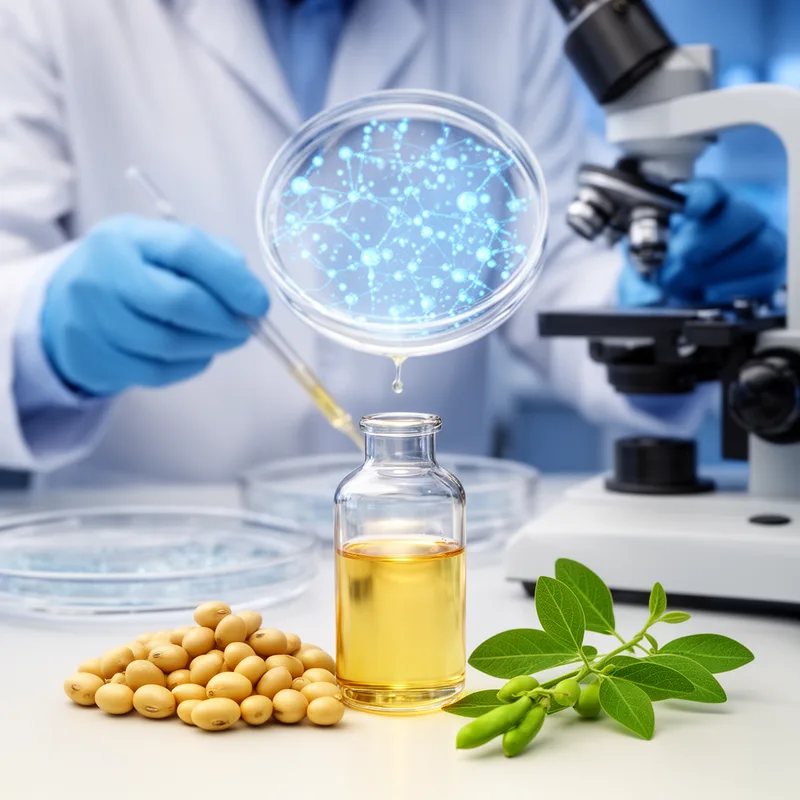
- The phytoestrogen content of soybean seeds mainly consists of daidzein (60%) and genistein (30%) with a small proportion of glycitein (10%).
- genistein and daidzein
- isoflavones, including genistein
- genistein as a potent
Examples
-
Soybeans and black beans are rich sources of genistein, which is also being examined for fighting the leukemia that strikes bone marrow and other blood-forming tissue.
Academic text (1996) -
The reviewers reported that high doses of isolated genistein (a soy extract) reduced the intensity and frequency of hot flashes, but low doses did not.
Blog text (1) -
Also, soybeans are very high in a substance known as genistein.
Blog text (25) -
Genistein should account for about 50 percent of the total amount of isoflavones in the pill.
-
It's called genistein, and you'll find it in foods made from soybeans.
-
More than 30 studies have confirmed the ability of soybean isoflavones, such as genistein, to prevent cancer cell growth, especially breast cancer.
Surface Forms
Etymology
Genistein comes from the plant name Genista, a kind of 'broom' plant where it was first found, and the ending -ein shows it is a natural substance. So, genistein is a plant chemical (found in soy and other plants) that researchers study for its effects on health and hormones.