

genetic fingerprinting


 1
4.1
1
4.1
- noun
- /dʒəˈnɛtɪk ˈfɪŋɡərˌprɪntɪŋ/
- Specialized
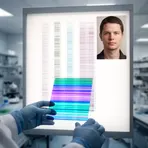
- Column 8 is a genetic fingerprinting of a duck isolate, and columns 13 and 14 are from water isolates.
- use genetic fingerprinting
Examples
-
Forensic scientists use genetic fingerprinting to identify suspects based on DNA evidence collected from a crime scene.
-
Many paternity tests today rely on genetic fingerprinting to establish biological relationships between individuals.
-
Luster confirmed the fungus' identity on samples by using genetic fingerprinting techniques that he developed.
Academic text (2000) -
Genetic fingerprinting has gained headlines because of its use as forensic evidence in criminal trials, particularly in high-profile cases.
Academic text (1995) -
In wildlife conservation, genetic fingerprinting helps researchers track animal populations and their genetic diversity.
Synonyms
 1
7.1
1
7.1
To find which genes a person or sample has by testing DNA
 1
4.2
1
4.2
A unique pattern in a person's DNA that identifies them

Testing DNA from a sample to identify a person or family links
How Detailed

Surface Forms
Morphology
The compound is directly built from 'genetic' (relating to genes/DNA) and 'fingerprinting' (the process of identifying someone by unique biological markers), so a learner who knows both words can infer it means identifying people by their DNA. This compositional pattern (type-of-fingerprinting) is transparent and cross-linguistically common, making the sense accessible to B1 learners.
Etymology
Genetic fingerprinting comes from the idea that a person's DNA has a unique pattern, like a fingerprint, and scientists use those patterns to tell people apart. That's why the term means the process of checking someone's DNA to 'identify' them.