

generalized epilepsy
- noun
- /ˈdʒɛnəraˌlaɪzd ˌɛpɪˈlɛpsi/
- Specialized
- His generalized epilepsy causes him to have tonic-clonic seizures.
Examples
-
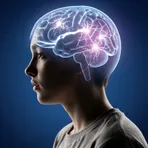
People living with generalized epilepsy may have seizures that affect both sides of the brain.
-
The doctor diagnosed her with generalized epilepsy after she experienced several severe seizures.
-
His treatment plan was adjusted to better control his generalized epilepsy.
-
She was diagnosed with generalized epilepsy last year.
-
Doctors recommend regular check-ups for patients with generalized epilepsy to monitor their condition.
-
Children with generalized epilepsy often need special accommodations in school to help manage their seizures.
-
She learned about her triggers and how to cope with her generalized epilepsy during her therapy sessions.
Synonyms
 46
4.9
46
4.9

A brain condition that causes sudden seizures or brief loss of awareness

Severe seizures that make a person lose consciousness and have strong body jerks
Antonyms

- Specialized
A condition where seizures start in one part of the brain and cause local symptoms like twitching or strange feelings
How Localized
- Specialized

- Specialized
Surface Forms
Morphology
The meaning is directly derivable: 'generalized' (widespread/affecting the whole or many parts) combined with 'epilepsy' (a seizure disorder) communicates that the seizures involve the whole brain/body rather than a localized area. Although medical, the modifier–noun composition is transparent and mirrors similar constructions in other languages, so a B1 learner who knows the constituent words should understand the concept.
Etymology
Generalized epilepsy comes from generalized meaning 'affecting the whole' and epilepsy meaning 'repeated seizures'. Picture a seizure that spreads across both sides of the brain and the whole body, which is why the term means seizures that often make a person lose consciousness.