
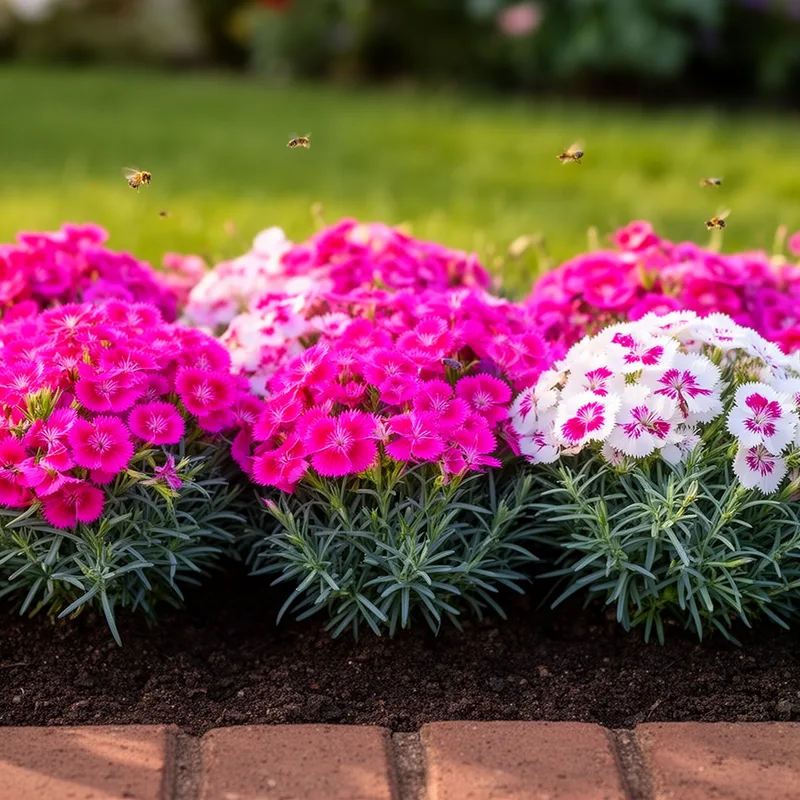
garden pink
- noun
- /ˈɡɑrdən pɪŋk/
- The garden pink added a burst of color to her flowerbed, attracting many bees and butterflies.
Examples
-
In spring, the garden pinks bloom effortlessly, filling the air with their sweet scent.
-
She bought a beautiful pink to enhance her garden's fragrance and beauty.
-
I like soft colors in my garden pink, some coral purples, Blues, whites, buttery yellows.
Synonyms
 11
5.6
11
5.6

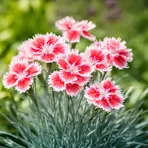
A small garden flower often with a nice smell and pale red or white petals
 1
7.9
1
7.9
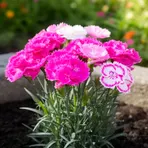
A garden flower like a carnation with bright, often scented petals

A small garden flower with pink, fringed petals and a sweet scent

A garden flower with many petals and a spicy clove smell

A garden plant with sweet smelling pink to red flowers called carnations

A small garden plant with a strong sweet smell and pink or rosy flowers

A garden flower with fringed, jagged petals often grown for its bright colors

A small garden flower with toothed pink petals often grown as an annual

A small garden flower with pink or lilac frilly petals often grown for summer color

A small garden flower with bright, jagged-edged pink petals

A small garden flower with frilled rose-coloured petals often grown for one season
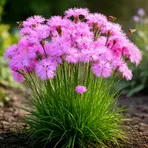
A plant that lives for many years with fragrant pink or lilac flowers with deeply fringed petals

A low plant with a flat patch of leaves and small pale pink flowers with red centers
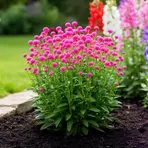
A garden plant that grows every year with many small round pink flowers

A garden plant with flat dense clusters of small bright flowers in many colors and a sweet scent

A plant with many branches that has clusters of small pink flowers like sweet William
How Ornamental


Surface Forms
Morphology
The noun meaning is directly compositional: 'pink' names the Dianthus flower and 'garden' specifies a cultivated or garden variety, so a learner who knows both words can readily infer it is a cultivated pink (Dianthus). This type of noun+noun compounding (garden + flower) is a common, transparent pattern cross-linguistically, making the sense predictable to B1 learners who know the constituents.
Etymology
Garden pink gets its name from the old sense of pink, which meant 'to make small cuts', because the flower's petals have a frilled, notched edge that looks as if they were cut. Gardeners grow these colorful, fragrant plants, so the name came to mean this garden flower.