

frequency-response characteristic
- noun
- /ˈfriːkwənsi rɪˈspɒns ˌkærɪktəˈrɪstɪk/
- Specialized
- The frequency-response characteristic of the amplifier shows a steep drop-off at higher frequencies.
Examples
-
A flat frequency-response characteristic is desirable in high-fidelity audio systems.
-
Audio engineers examine the frequency-response characteristic to ensure accurate sound reproduction.
-
The frequency-response characteristic of the amplifier is crucial for audio quality.
-
Can you explain the frequency-response characteristics of this circuit?
-
Audio engineers regularly analyze the frequency-response characteristic to optimize sound clarity.
-
A well-balanced frequency-response characteristic is essential for professional audio equipment.
-
The frequency-response characteristic indicates how a system's gain varies across different sound frequencies.
Synonyms


 1
6.9
1
6.9
The amount a device or system changes output at different frequencies
 1
7.2
1
7.2
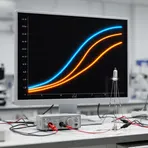
A graph that shows how one device property changes as another thing changes, like voltage or temperature

A graph that shows how loud a speaker or amplifier is at different frequencies

A graph that shows how a device's output changes when input voltage changes
Surface Forms
Morphology
frequency-response + characteristic
The phrase is compositionally built: 'frequency-response' denotes how a system's response varies with frequency and 'characteristic' means a property or parameter, so the overall meaning (the property describing response vs. frequency) is directly derivable from the parts. It is technical but follows transparent lexical composition, so a B1 learner who knows 'frequency', 'response', and 'characteristic' would likely infer the meaning.
Etymology
Frequency-response characteristic comes from the picture of a machine drawing a line that shows how a device reacts to different sound pitches. Think of frequency as low and high notes, response as how the device reacts, and characteristic as the shape of that line, so the phrase means 'a graph or measure showing how a device's loudness or strength changes with frequency'.