
fore wing
- noun
- /fɔr wɪŋ/
- Specialized
- The butterfly's fore wing is larger than its hind wing.
Examples
-
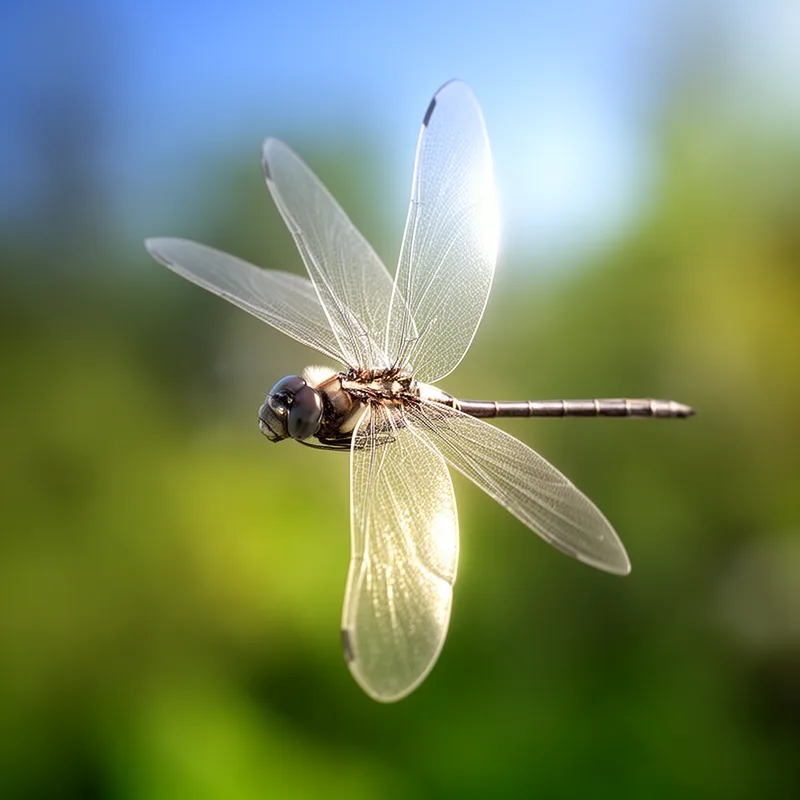
The dragonfly's fore wings are usually narrower than its hind wings.
-
Many beetles have hardened fore wings that protect their delicate hind wings underneath.
-
During flight, a butterfly uses both its fore wings and hind wings for balance.
-
Many insects have two fore wings and two hind wings.
-
During flight, a butterfly uses both its fore wings and hind wings for balance.
-
Many beetles have hardened fore wings that protect their delicate hind wings underneath.
-
The dragonfly's fore wings are usually narrower than its hind wings.
Synonyms


 1
7.7
1
7.7
A front wing on insects with four wings
Surface Forms
Morphology
The meaning is directly compositional: 'fore' denotes the front position and 'wing' denotes the flight appendage, so 'fore wing' straightforwardly means the front wing. This is a common, cross-linguistic naming pattern for body parts (e.g. 'ala anterior'/'anterior wing'), so a B1 learner who knows both constituents will readily infer the meaning.
Etymology
The noun fore wing comes from the parts fore (meaning 'front') and wing, and it names the pair of wings at the front of an insect. These front wings help steer and often protect the back wings, so the term means 'the front wings' today.