
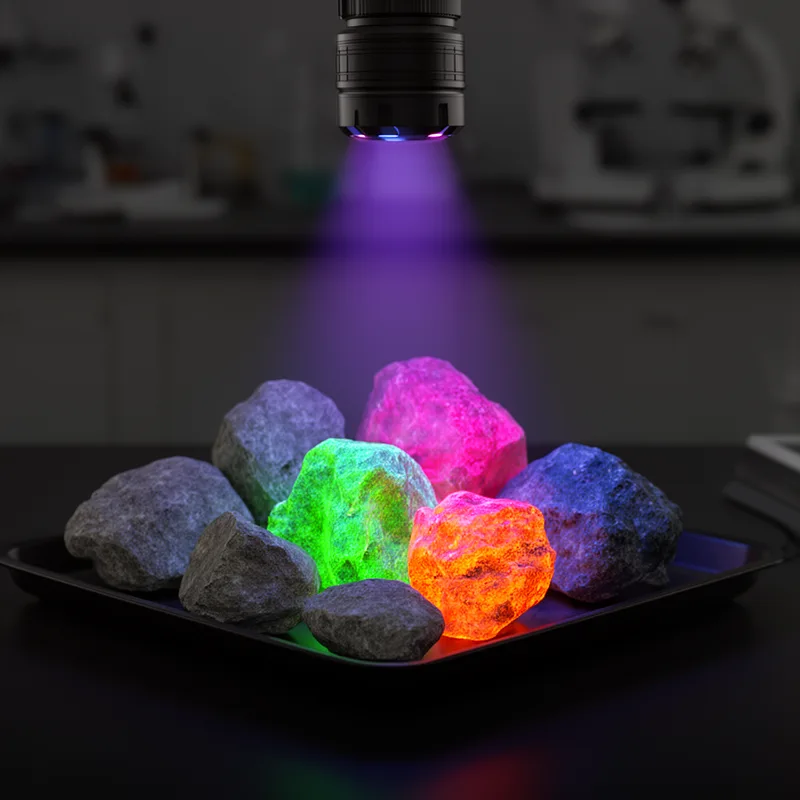
to fluoresce
 2
7.9
2
7.9

- verb
- /flɔˈrɛs/
- Specialized
- The inner walls of the oven fluoresced as its ultraviolet lamps bathed the cup.
Loading YouTube…
Watch on YouTubeDoes it just fluoresce or does it do interesting stuff?
- Does it just fluoresce or does it do interesting stuff?
Examples
-
When pee is first deposited by your cat, it will fluoresce in sort of an orange yellow.
-
When DNA in a test sample binds with specific DNA on a quantum dot probe, the sample fluoresces under UV radiation; this signal can then be analyzed.
Academic text (2004) -
Does it just fluoresce or does it do interesting stuff?
-
When they bind to DNA, they fluoresce an intense cyan blue.
-
It turns dark red or it fluoresces green.
-
Newer pigments fluoresce more than older pigments.
-
I didn't expect it to actually be this bright because it's darker colored, but it actually fluoresces quite well.
-
The emerald green of the fairway was so bright it seemed to fluoresce in the midday sun.
Fiction book (1994) -
When viewed with the Velscope device, bacteria that grow in more acidic conditions fluoresce with an orange glow.
Blog text (25) -
When placed under ultraviolet light, the mineral will fluoresce brightly, revealing its vivid colors.
Synonyms
 161
1.2
161
1.2
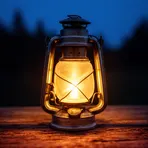
To shine with a steady soft light
 64
2.5
64
2.5
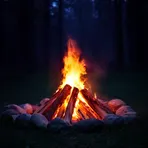
Begin to shine or make something begin to shine, for example by burning
 1
8.2
1
8.2
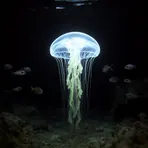
To give off light without heat
How Bright

Surface Forms
Morphology
fluoresce = fluorescent (semi-transparent) = fluor + esce
The relation to the adjective 'fluorescent' (and 'fluorescence') is clear to learners who know those words, but the combining form 'fluor-' and the Latin-derived verb formative '-esce' are not productive or familiar to most learners.
Etymology
The word fluoresce comes from the root fluor-, used for the glowing mineral fluorite, and the ending -esce, which means 'become'. So to fluoresce is to 'become glowing' — to give off light after you absorb other light.