
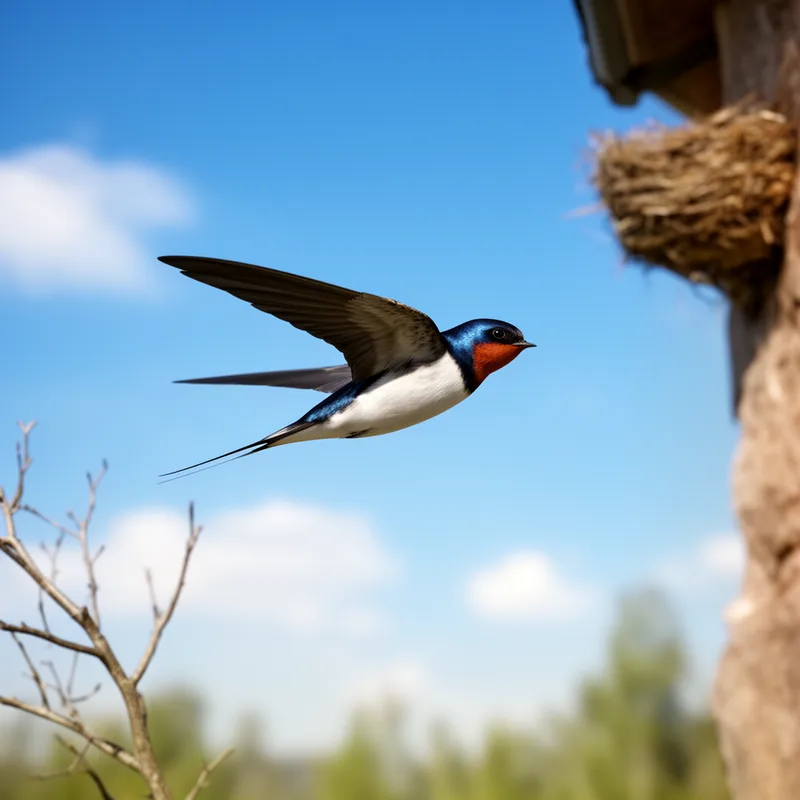
to fly on
 6
2.3
6
2.3

- phrasal verb
- /flaɪ ɑn/
- "Let's fly on to Paris and see the sunset again."
Loading YouTube…
Watch on YouTubeAnd I can only the way that I described it was I'm flying on this plane and I'm the pilot.
- And I can only the way that I described it was I'm flying on this plane and I'm the pilot.
- Then he said that the Eldest coalescing had gone with Orem Erian beyond the West to fly on the other wind.
Examples
-
Is the airplane able to fly on with small holes anywhere in the wings or fuselage?
Blog text (1) -
Fly on, fly on past the speed of sound.
Fiction book (1996) -
How long can we fly on one engine?
-
"But even if we lost an engine, we can fly on two.
Fiction book (1991) -
Listen, we're flying on two engines now.
-
Hundreds of businessmen and women fly on 10 or more international trips a year.
Blog text (1) -
It means controllers could give you a clearance to fly on instruments and separate you from other aircraft.
-
We did have diplomatic clearance, but it was only to fly on the Victor 33 airway.
Fiction book (2000) -
Flying on, she did not know she had crossed the Green Line until a searchlight beam swept over her.
Fiction book (1994) -
The baby birds are expected to grow up fast and fly on their own in about two months.
Synonyms
 ∞
1.0
∞
1.0
Keep happening or keep being done without stopping
 ∞
1.0
∞
1.0
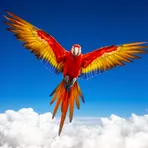
Move through the air using wings or in a plane
 306
1.4
306
1.4
Continue doing something without stopping
Antonyms

How Long

Surface Forms
Morphology
The meaning 'to continue flying' is directly compositional from 'fly' (move through the air) plus the particle 'on' (indicating continuation or persistence). This verb+particle pattern is a regular and cross-linguistically recognizable way to express continued action in English, so a B1 learner who knows both constituents should be able to infer the MWE meaning.
Etymology
Fly on gives a clear image: a bird or plane keeps moving through the air, because fly shows flying and on shows it continues forward. So fly on means 'to continue flying' or 'to keep proceeding through the air'.