
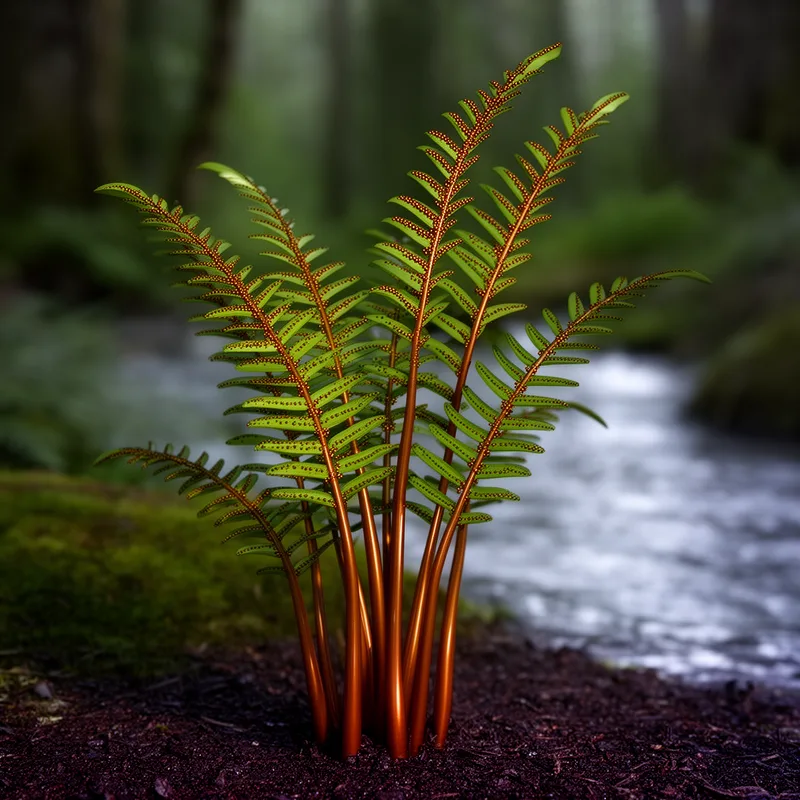
flower-cup fern
- noun
- Specialized
- Many botanists admire the chestnut-colored stalks of the flower-cup fern during their field studies.
Examples
-
The flower-cup fern thrives in the moist woodlands of northern Canada and Alaska.
-
A patch of flower-cup ferns lined the shaded trail by the river.
-
The flower-cup fern thrives in moist, shaded areas.
-
I spotted a flower-cup fern near the riverbank.
-
A patch of flower-cup ferns lined the shaded trail by the river.
-
Many botanists admire the chestnut-colored stalks of the flower-cup fern during their field studies.
-
The flower-cup fern thrives in the moist woodlands of northern Canada and Alaska.
Synonyms
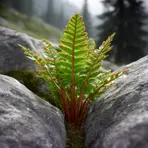
A small thin fern with shiny brown stalks and divided leaves with spores at the edges

A slender fern with shiny brown stems and divided leaves that grows on rocky slopes
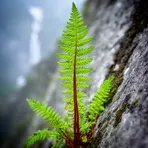
A thin fern from northern North America with chestnut stalks and divided leaves
Surface Forms
Morphology
flower-cup + fern
The compound follows a straightforward modifier + head noun pattern: 'flower-cup' describes a cup- or flower-like feature and 'fern' names the plant, so a learner who knows 'flower', 'cup', and 'fern' can infer this is a type of fern characterized by a cup-like (flower-related) structure. This is a compositional, descriptive name rather than an idiom, so its meaning is directly derivable from the parts.
Etymology
The plant name flower-cup fern comes from how the plant looks: small cup-like spots along the leaf edges that look like tiny flowers or little cups, so the name describes the fern's appearance.

