
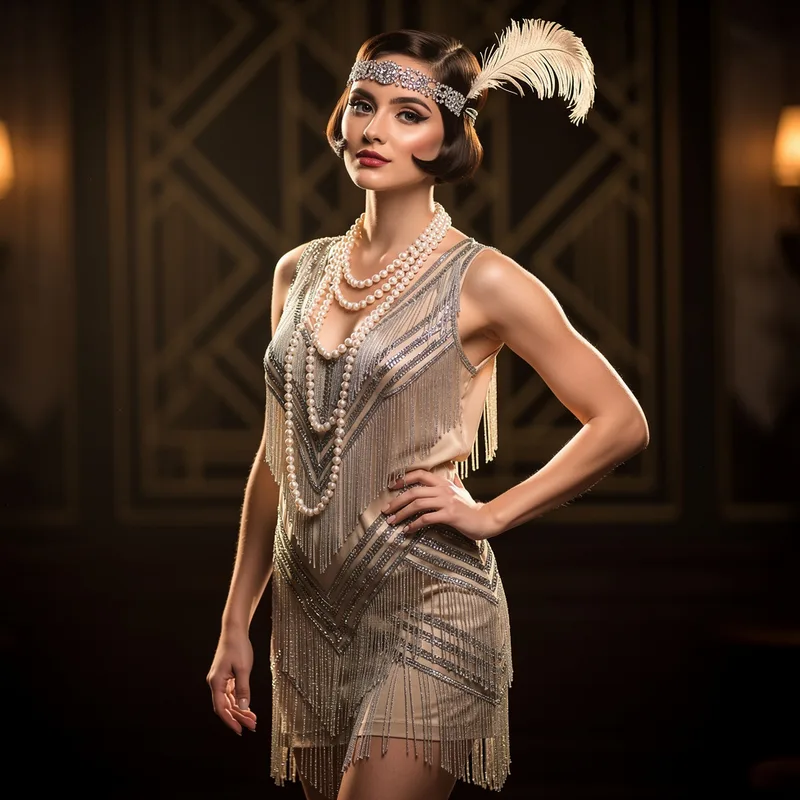
flapper
 9
9.6
9
9.6

- noun
- /ˈflæpər/
- Archaic
 :
flapper
:
flapper
- By the mid-1920s, Rice enjoyed the looser, less studious mentality of the flappers on campus, not bothering to spend time on her classwork.
- flapper dress
- flappers and speakeasies
- flappers from the 1920s
So that is the story that is featured in the cover on the cover of the collection of short stories, Flappers and Philosophers.
- So that is the story that is featured in the cover on the cover of the collection of short stories, Flappers and Philosophers.
Examples
-
I was a late-night flapper dancing for the band.
Fiction book (1991) -
Jazz went out with the flapper.
-
You are an American flapper visiting London.
Academic text (2000) -
Don't I look like a flapper?
-
Isn't there any romance or adventure without having a flapper in it?
-
The style of flapper women can be recreated today and brought into a homecoming event!
Blog text (16) -
Skirts got shorter, jazz babies and flappers owned the night.
-
The roaring twenties saw the birth of the independent flapper, slim, boyish, and boisterous.
Blog text (11) -
A full overblouse tightening at the waistband, it is a twenties flapper item that, in our own eclectic day, seemed newly chic and fashionable.
Fiction book (2002) -
In the 1920s, she dressed like a flapper, embracing the era's bold fashion and attitudes.
Synonyms
A young woman in the 1920s with short hair, bold makeup, and lively, daring style
Compounds
- Archaic
A young woman in the 1920s with short hair, bold makeup, and lively, daring style
Surface Forms
Morphology
Etymology
The word flapper comes from the simple word flap, meaning 'to move up and down' or 'to move quickly', plus the ending -er. In the 1920s young women wore loose, short dresses and danced with quick, lively movements that looked like 'flapping', so flapper came to mean a young woman who broke old rules and lived more freely.