
flânerie


 1
9.9
- noun
- /flæˈnɛri/
- Literature
- On Sunday afternoons, locals gather at the park for leisurely flânerie, enjoying the sights and sounds around them.
Examples
-
What all other cities seem to permit only reluctantly, and only to the dregs of society—strolling, idling, flânerie—Paris streets invite everyone to do.
Academic text (2002) -
Chaudhuri's critical writing also reflects an intense awareness of the political significance of flânerie.
Academic text (2007) -
For an interesting discussion of the dynamics of flânerie as they relate to the role of the artist in nineteenth-century France, see Richard Sennett's The Fall of Public Man.
Academic text (1997) -
During her vacation in Paris, she enjoyed flânerie, wandering the streets and soaking in the vibrant atmosphere.
-
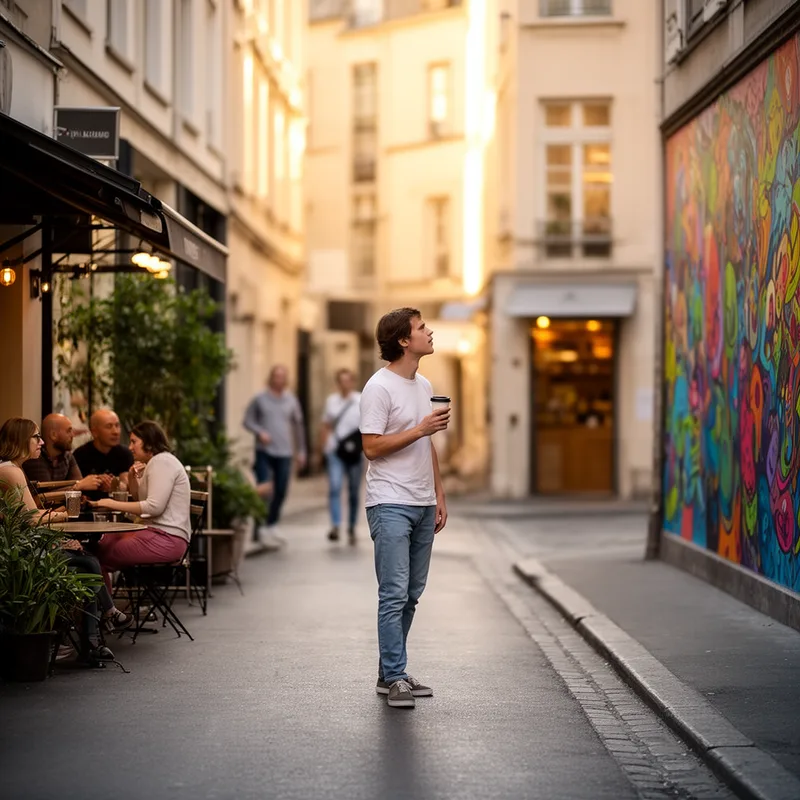
He took his time with flânerie, stopping to admire the street art and chat with friendly passersby.
Synonyms
 82
1.2
A slow easy walk taken for pleasure
 10
3.4
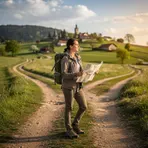
Traveling from place to place without a fixed place to go
 1
8.2
To walk slowly without a clear purpose
How Leisurely

Surface Forms
Etymology
Flânerie comes from the French verb flâner, which means 'to stroll' or 'to wander slowly', like taking a quiet walk and watching the city around you. So, flânerie is the relaxed act of walking through a town or city and noticing the people and places you pass.