
fixed intonation
- noun
- Specialized
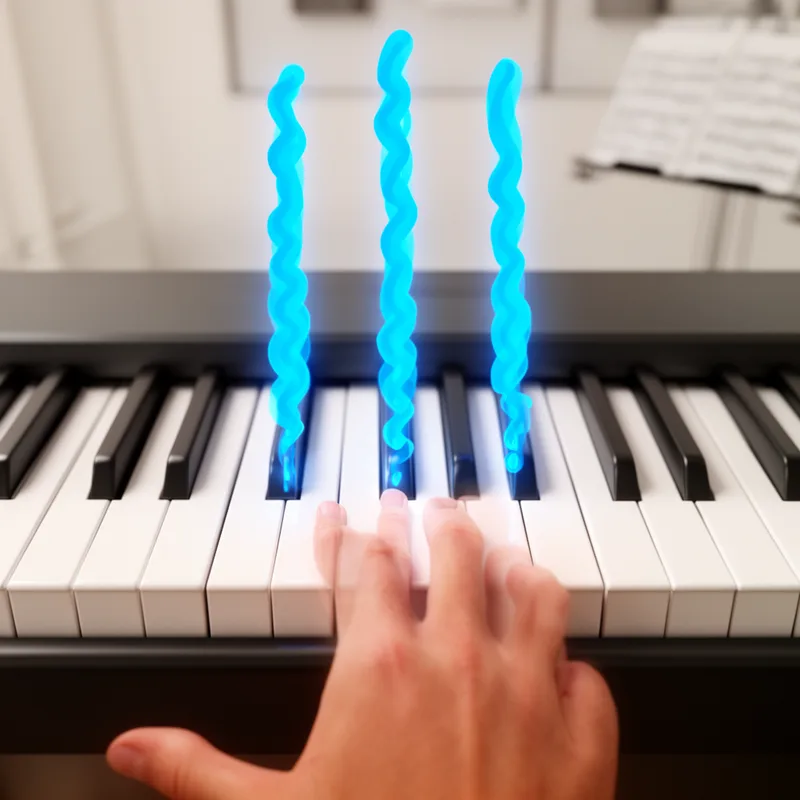
- Most pianos have fixed intonation, so players cannot bend notes as they can on a violin.
Examples
-
Some musicians prefer instruments without fixed intonation because they can express subtle changes in pitch.
-
The concept of fixed intonation is crucial when comparing keyboard instruments to wind or stringed instruments.
-
The piano has a fixed intonation system.
-
In a fixed intonation setup, notes cannot be altered.
-
Many keyboard instruments, like the piano, use fixed intonation to ensure each note is in the correct pitch and cannot be modified.
-
While playing the organ, the musician appreciated the fixed intonation that maintained the pitch of each note consistently.
-
In orchestras, understanding fixed intonation helps musicians appreciate the differences between various types of instruments.
Surface Forms
Morphology
The meaning 'a system where pitches are unchangeable' follows directly from combining 'fixed' (unchanging, determined) with 'intonation' (pitch/accuracy of tone). This adjective+noun composition is literal and follows cross-linguistic patterns, so a B1 learner who knows both constituents would readily infer the MWE's meaning.
Etymology
Fixed intonation comes from instruments like the piano, where each key always makes the same note. Because the word fixed means set and intonation means the note's pitch, the phrase means 'a system where the player cannot change a note's pitch while playing'.

