
fibrocartilage


 1
9.7
- noun
- /ˌfaɪbroʊˈkɑːrtɪkəlɪdʒ/
- Specialized
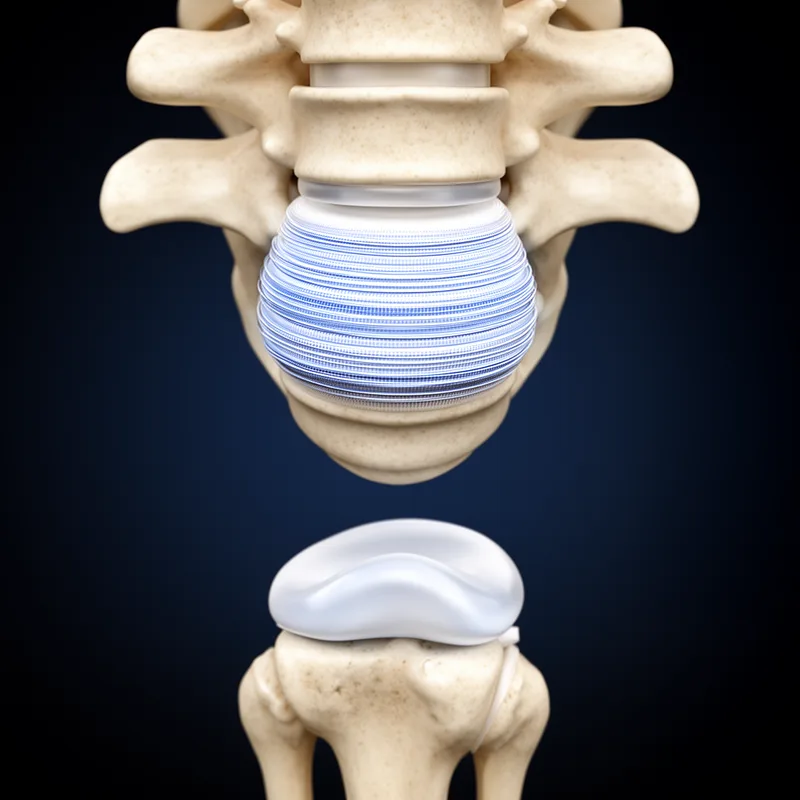
- The knee joint relies on fibrocartilage for cushioning and support during movement.
Examples
-
Reparative procedures are designed to allow the cartilage lesion to heal with a different type of cartilage called fibrocartilage.
Academic text (2005) -
With fibrocartilage come blood vessels, fibroblasts, and osteoblasts, which migrate to the fracture site as part of the inflammatory process.
Academic text (2002) -
The formation of fibrocartilage tissue occurs in Stage 2 from 3 days after injury until about 2 weeks after fracture.
Academic text (2002) -
The provisional callus (Schoen, 2000) eventually becomes more solid as fibrocartilage becomes mineralized by the deposition of hydroxyapatite.
Academic text (2003) -
Fibrocartilage is essential for maintaining the integrity of fibrocartilage discs in the spine.
-
Patients with joint injuries often develop fibrocartilage to help repair damaged cartilage.
Synonyms
 31
4.3
A strong, flexible tissue in joints that is softer than bone
Surface Forms
Morphology
Etymology
Fibrocartilage comes from fibro- meaning 'fiber' and cartilage meaning 'the firm, flexible tissue in joints'. So fibrocartilage is cartilage with many fibers, which makes it tough and able to handle pressure in places like the meniscus in the knee or between the bones of the spine.