
ferricyanic acid
- noun
- /ˌfɛrɪˈsaɪənɪk ˈæsɪd/
- Specialized
- The chemist attempted the preparation of ferricyanic acid but found it highly unstable.
Examples
-
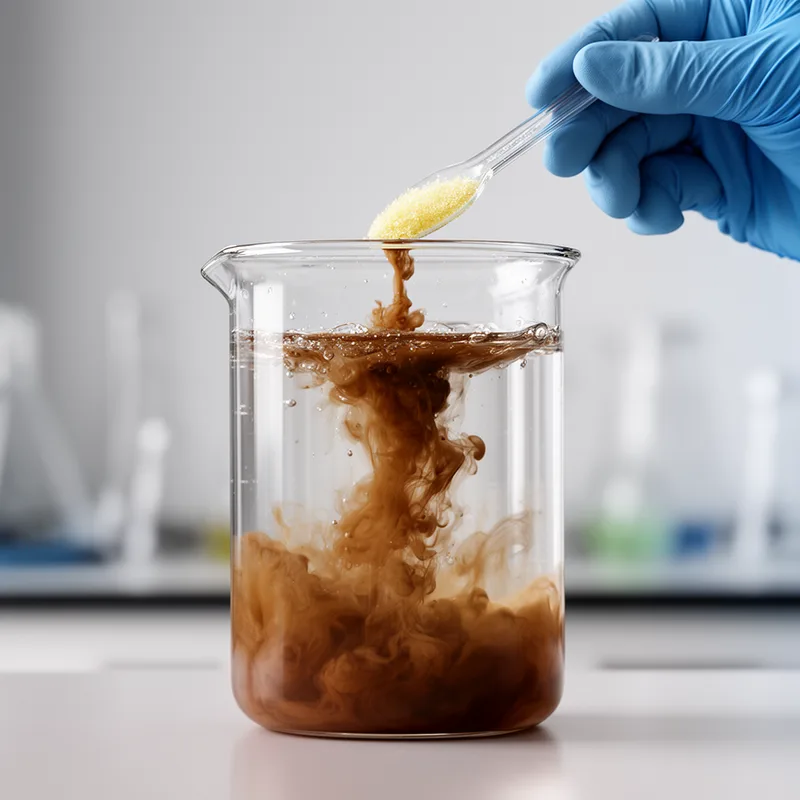
Ferricyanic acid is typically recognized by its brown color in aqueous solutions.
-
Researchers studied the reaction of ferricyanic acid with different metal ions.
-
The solution contained ferricyanic acid and other compounds.
-
Researchers are studying ferricyanic acids for their unique properties.
-
Ferricyanic acid appears as a brown solution when dissolved in water.
-
In laboratory experiments, scientists observed the behavior of ferricyanic acid in various pH levels.
-
The reaction between ferricyanic acid and hydrochloric acid produced distinctive color changes.
Surface Forms
Morphology
ferricyanic + acid
The headword contains the technical chemical term 'ferricyanic', which is formed from specialized morphemes (e.g. ferri-, cyanic) not known to average B1 learners; knowing the general word 'acid' does not allow one to derive the specific chemical sense. Because the core constituent is jargon and the overall meaning depends on domain knowledge rather than ordinary compositional semantics, the expression is opaque to learners.
Etymology
Ferricyanic acid gets its name from older chemistry words: ferri- meaning 'iron' and cyanic meaning 'dark blue', because related iron cyanide compounds make a deep blue pigment. That's why the name points to 'iron' and 'blue', even though the acid itself is a brown, unstable liquid formed when acids act on ferricyanides.

