
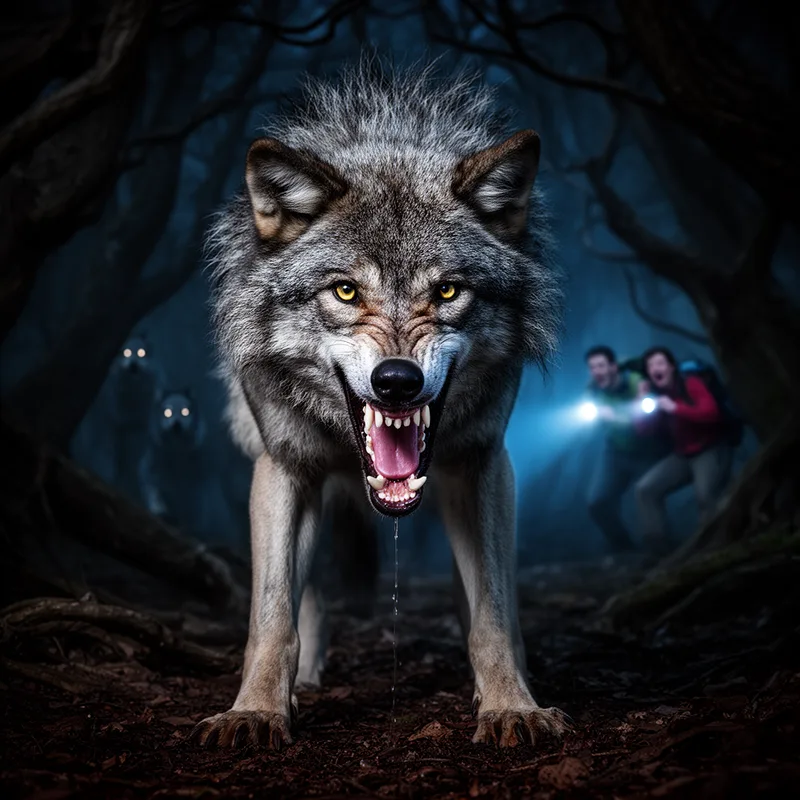
ferine
- adjective
- /ˈfɛrɪn/
- Archaic
- Stories often depict wolves as ferine creatures roaming the night.
Examples
-
The ferine nature of the wolf pack was evident during the hunt.
-
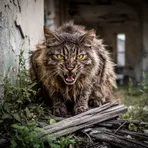
She noticed the ferine eyes of the stray cat lurking in the shadows.
-
Her ferine gaze made everyone in the room uncomfortable.
-
The explorers stumbled upon a ferine tribe deep in the jungle.
-
The ferine nature of the wolf pack was evident during the hunt.
-
Her ferine gaze made everyone in the room uncomfortable.
-
She noticed the ferine eyes of the stray cat lurking in the shadows.
Synonyms
 29
6.7
29
6.7

An animal that lives wild after escaping people and is often dangerous
 27
4.5
27
4.5
Very fierce and violent and often cruel
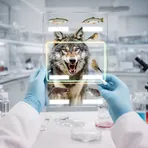
Describes animals that are fierce and wild in scientific names
Antonyms

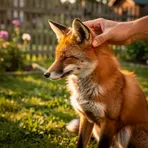
How Wild

Surface Forms
Morphology
ferine = fer + ine
Although formed from the Latin root 'fer-' (meaning 'wild') plus the adjectival suffix '-ine', the root is not a productive or recognizable modern English base, so learners cannot reliably infer the meaning from components.
Etymology
The word ferine comes from the Latin word ferus, meaning 'wild' or 'untamed', and it shares the same root as the familiar word feral. So when something is called ferine, think of a wild, possibly dangerous animal — that's why it means 'wild, savage, or untamed'.