
feminine
 4
4.4
4
4.4

- noun
- /ˈfɛmɪnɪn/
- Specialized
- So but, and when you hear floral, you think about a feminine fragrance.
- masculine or feminine
Examples
-
Fausch observes the benefits and dangers of associating the feminine with the body.
Fiction book (1992) -
So, for example, pink has in the West seen as a feminine color for quite some time.
-
How the nature of the family really has changed since the writing of The Feminine Mystique.
-
You... you use the masculine for the male singer, and the feminine for the female singer.
-
In this elixir, we find the essence of the divine feminine.
-
Then he needs to confront the fact that the feminine resides in men as well as in women.
Academic text (1992) -
And yes, maybe like I'm not going to pretend also that dresses aren't a feminine item of clothing.
-
From time immemorial, his people had worshiped a balance between nature's male deities and the goddess or sacred feminine.
-
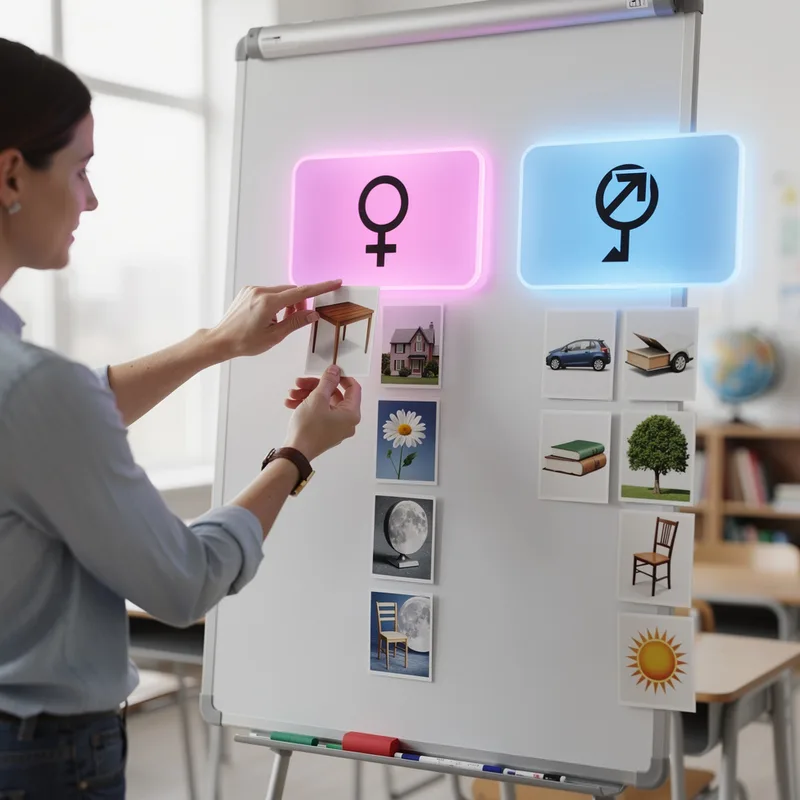
In many languages, the term feminine is used to classify nouns that refer to women or female animals.
-
The pronouns 'she' and 'her' are examples of feminine forms in English grammar.
Antonyms

Surface Forms
Etymology
Feminine comes from Latin femina 'woman' and, as a noun, it names the gender class for words that refer to women or things treated as female. That is why teachers say a noun is the 'feminine' when it uses female forms in languages like Spanish or French.