

fandango
 5
9.8
5
9.8

- noun
- /fænˈdæŋɡoʊ/
- "Doa Dolores concluded: "I am supposed to dance a fandango for sheer happiness."
- dance a fandango
Examples
-
Gardner: A farewell fandango for the Groovers!
-
Mallory starts doing a slow, seductive fandango around the coffee shop.
Fiction book (1994) -
"Guests are arriving for the fandango, and I must prepare our musicians to play.
Fiction book (1991) -
The fandango would be in full swing now over in Kite Island.
Fiction book (1997) -
How about a fandango?
-
At the fiesta, the couple performed a lively fandango that captivated everyone in the audience.
-
The dancers twirled gracefully, executing the fandango with precision and flair.
-
He invited her to join him for a fandango, hoping to impress her with his dance moves.
Synonyms
 12
5.4
12
5.4
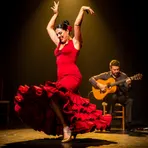
A passionate Spanish music and dance with guitar and strong movements


 1
8.7
1
8.7
A lively Spanish dance in three beats often played with guitar and castanets
 1
9.9
1
9.9
A lively court dance from the 1500s and 1600s in three-beat time
How Lively

Surface Forms
Etymology
Fandango comes from Spanish and Portuguese and was the name of a 'lively folk dance'. Picture quick footwork and the sharp click of castanets, and you will remember why fandango still means an energetic Spanish dance today.