
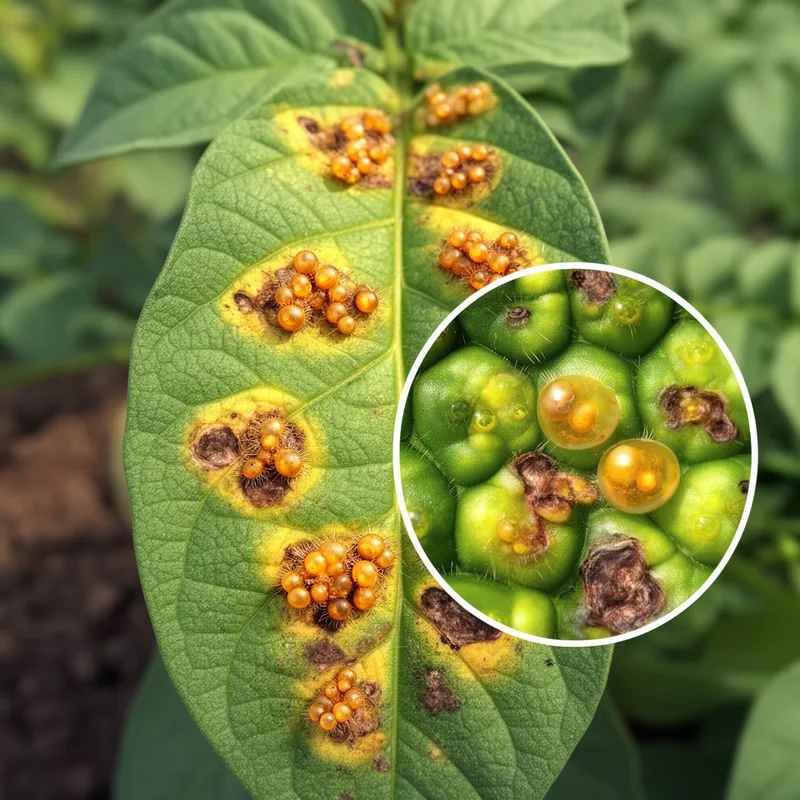
family Synchytriaceae
- noun
- /ˈfæmɪli sɪŋkɪˈtrɪəsɪ/
- Specialized
- The family Synchytriaceae includes several species that infect potatoes and other crops.
Examples
-
Scientists study the family Synchytriaceae to better understand plant pathogens.
-
Many species within the family Synchytriaceae infect plant roots.
-
Members of the family Synchytriaceae are characterized by their unique reproductive structures.
-
The family Synchytriaceae includes various parasitic fungi.
-
Researchers are examining the family Synchytriaceae because of its significant impact on agriculture.
-
The family Synchytriaceae is known for causing diseases in a range of crops, including rice and beans.
-
Members of the family Synchytriaceae play a crucial role in understanding the dynamics of plant pathogens.
Synonyms

A group of simple fungi often found in water that can infect plants
Surface Forms
Morphology
The phrase is a straightforward taxonomic NP combining 'family' (a scientific grouping) with the proper name 'Synchytriaceae', so its meaning 'the fungal family called Synchytriaceae' is directly derivable from the parts. Taxonomic naming conventions are cross-linguistically familiar, so a B1 learner who knows both constituents would understand this usage.
Etymology
Family Synchytriaceae gets its name from the main genus Synchytrium plus the family ending -aceae, a common way scientists mark a 'family' of plants and fungi. So the name tells you this is a group of closely related fungi, many of which live on plants and cause disease.

