
family Sciadopityaceae
- noun
- /ˈfæmɪli saɪˌædəˈpɪtiˌeɪsi/
- Specialized
- The family Sciadopityaceae is notable for containing only one living species, the Japanese umbrella pine.
Examples
-
Botanists once classified the umbrella pine in Taxodiaceae, but now it belongs to the family Sciadopityaceae.
-
Studies of fossil records have provided insights into the evolution of the family Sciadopityaceae.
-
The family Sciadopityaceae is known for its unique characteristics.
-
Many botanists study the family Sciadopityaceae for its ecological importance.
-
The family Sciadopityaceae includes coniferous trees that have distinctive needle-like leaves.
-
This family Sciadopityaceae is primarily found in East Asia, with the Japanese umbrella pine being its only current representative.
-
Research on the family Sciadopityaceae has revealed its ancient lineage within the conifer tree family.
Synonyms

A small family of cone-bearing trees represented only by the Japanese umbrella pine
Surface Forms
Morphology
The phrase is compositionally transparent: 'family' (a scientific grouping) combined with the taxon name 'Sciadopityaceae' simply denotes the taxonomic family called Sciadopityaceae. Taxonomic naming is a regular, cross-linguistic pattern, so a B1 learner who knows both constituents would readily infer the meaning.
Etymology
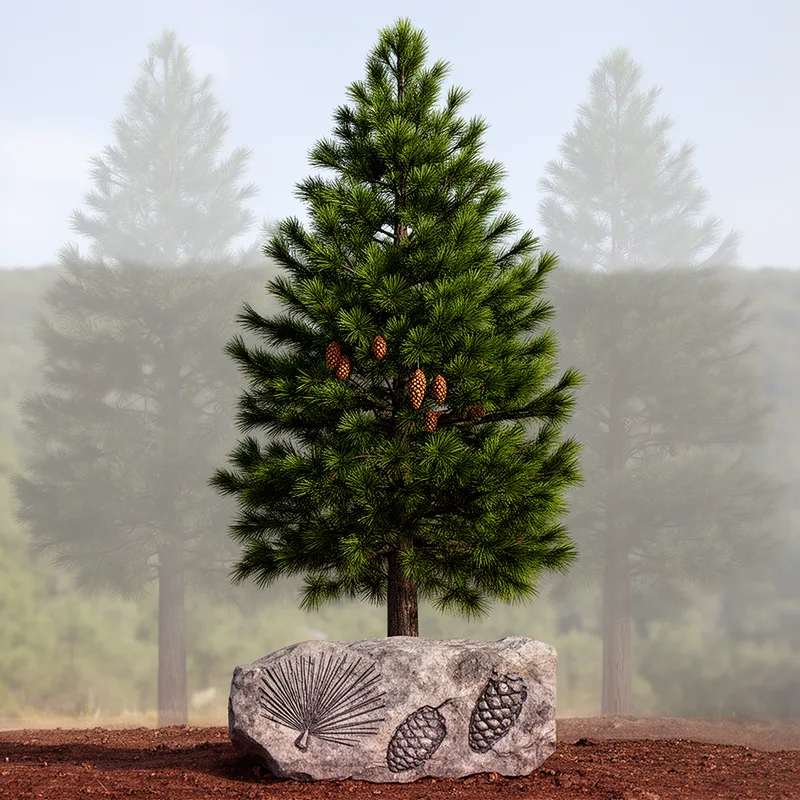
Family Sciadopityaceae comes from the genus Sciadopitys, a Greek-based name that means 'umbrella' and 'pine'. The tree's leaves grow in a round, umbrella-like shape, so the family is named after the Japanese 'umbrella pine' and this image helps you remember what the name refers to.

