
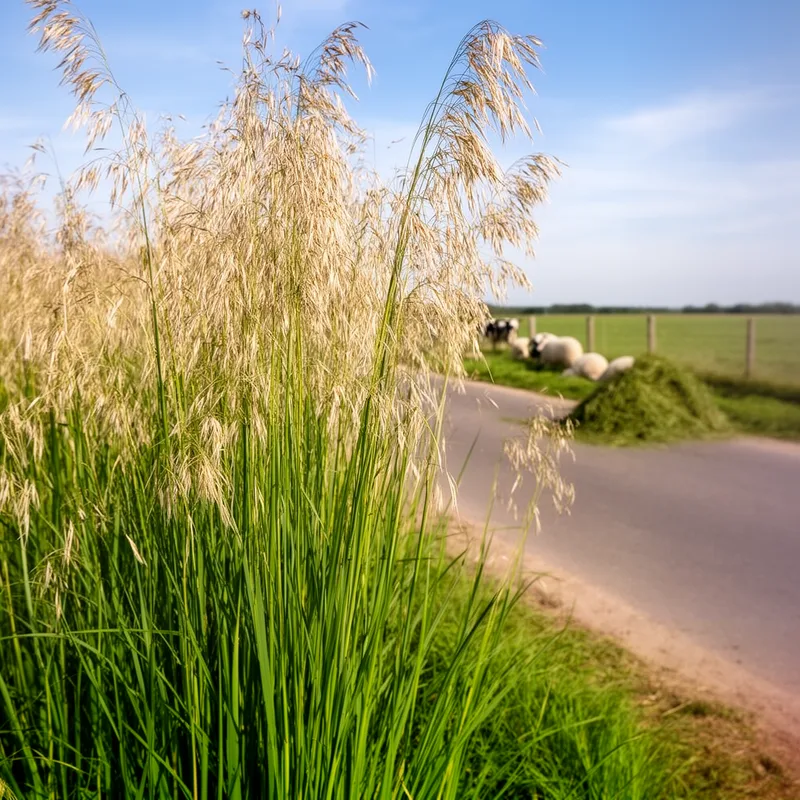
false oat
- noun
- UK
 :
avena falsa
:
avena falsa
- On my walk, I noticed false oat growing along the roadside verge.
Examples
-
The field was dominated by false oat and other tall grasses.
-
Agriculturalists sometimes use false oat as a forage crop for livestock.
-
Look at that false oat!
-
The false oat is green.
-
Farmers often plant false oat in their fields to provide nutrition for their cattle.
-
While hiking, I spotted clusters of false oat swaying gently in the breeze.
-
In the meadow, the tall stands of false oat created a habitat for various insects.
Synonyms

A tall rough grass like oats that grows in meadows and roadsides

A tall rough grass from Europe and Asia that looks like oats and grows by roads and fields
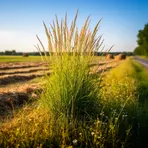
A tall rough grass that grows in meadows and roadsides and is used for hay
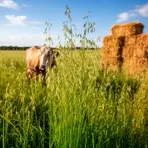
A tall grass like oat grass that grows in meadows and is used for grazing or hay
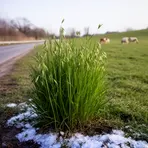
A coarse grass like oats that stays green all year on roadsides and meadows
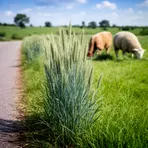
A rough grass from Europe and Asia that grows by roads and in meadows and is used to feed animals
Surface Forms
Morphology
The noun meaning 'a grass resembling oat' is directly derivable from combining 'false' (not genuine; imitation) with 'oat' (the cereal), since English 'false X' routinely labels things that look like but are not the genuine X. This adjective+noun compositional pattern is cross-linguistically common and would be readily guessed by a B1 learner who knows both constituents.
Etymology
False oat gets its name because the grass looks like real oat: its long top parts with seeds look like oats, but it is false — 'not a true oat'. So the name helps you remember it is a grass that looks like oat but is different.

