
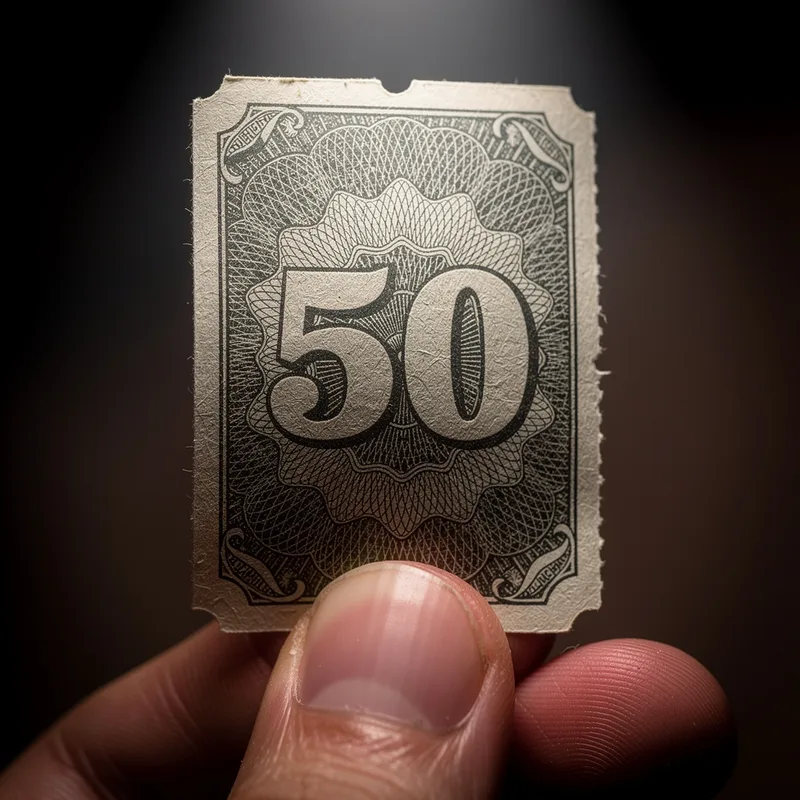
face value
 41
4.4
41
4.4

- noun
- /feɪs ˈvælju/
- Specialized
- We all learned ages ago that you never take what anyone says at face value; you never trust anybody completely.
- take at face value
- accept at face value
- face value of debt
Loading YouTube…
Watch on YouTubeThe total face value is the swap's notional value.
- The total face value is the swap's notional value.
- The way these bonds work is that they are perpetual bonds with a fixed face value and they make regular interest payments.
- Investors would pay more for these bonds than their face value, but the national debt would just go up by the face value of these bonds.
- And they will give you those bills at their face value.
Examples
-
We take things at face value, literally, and that leaves us confused as to what's true and what's not.
-
The concert tickets were sold at face value, ensuring everyone could afford to attend.
-
And at face value, this makes perfect sense to me.
-
There are people who still take him at face value on that.
-
Neither she nor Steve had ever taken any situation at face value.
Fiction book (2002) -
Okay, I'll take that answer at face value.
-
All right, I'll accept that answer at face value.
-
Please, let's take John's story at face value and explore it from that perspective.
-
Thus, realists generally accept at face value Russian claims that NATO is a threat to Russia.
Academic text (2015) -
The face value of a top ticket for tonight's game -- $67.20.
Synonyms


 1
6.3
1
6.3
A price that a company writes on a share or bond, not the market price

The value written on a share or bond that the company sets, not the price people pay
Antonyms

Surface Forms
Morphology
The meaning 'the value printed or stated on something' follows directly from combining 'face' (the front or surface of an object) with 'value' (worth) — essentially the worth shown on the item's face. This is a transparent, compositional concept (also reflected cross-linguistically) that a B1 learner who knows both constituents can readily infer.
Etymology
Face value comes from coins, notes and tickets that have a number printed on their front. The number on the face shows the value, so taking something 'at face value' means accepting the amount shown rather than its 'real worth'.