
exuvial
9.9
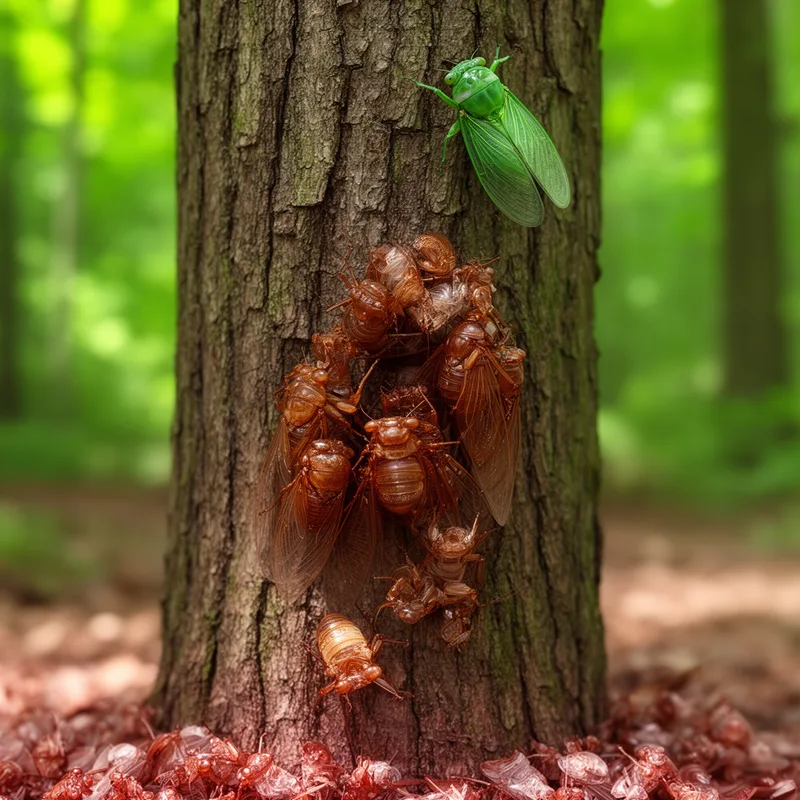
Relating to the old skins animals leave when they shed
- adjective
- /ɪɡˈzjuːviəl/
- Specialized
:
exuvial
- The ground was littered with exuvial remains after the cicadas had molted.
Examples
-
The exuvial remains were scattered across the forest floor.
-
Scientists study exuvial structures to understand molting processes.
-
Scientists collected exuvial material to analyze for environmental toxins.
-
The exuvial stage provides important clues about an insect's growth.
-
The ground was littered with exuvial remains after the cicadas had molted.
-
Scientists collected exuvial material to analyze for environmental toxins.
-
The exuvial stage provides important clues about an insect's growth.
Surface Forms
exuvial positive
Morphology
Etymology
Exuvial comes from the Latin word exuvia, meaning 'things taken off' such as clothes or skins, and has the part ex- meaning 'out', as in exit. So exuvial describes the 'cast-off' skins or remains animals leave behind when they shed their skin.

