

extremely high frequency


 1
4.5
1
4.5
- noun
- /ɪkˈstrimli haɪ ˈfrɛkwənsi/
- Specialized
 :
frecuencia extremadamente alta
:
frecuencia extremadamente alta
- The extremely high frequency range is considered ideal for certain types of radar systems.
Examples
-
The extremely high frequency band is crucial for satellite communications.
-
Satellites often communicate using extremely high frequency bands to transmit large amounts of data.
-
Researchers are developing technology that utilizes extremely high frequency signals for faster wireless networks.
-
Many devices operate on extremely high frequencies for better performance.
-
Scientists use extremely high frequency waves for mobile communication and satellite broadcasting.
-
The extremely high frequency band is essential for advanced radar systems.
-
Engineers often design antennas that can transmit and receive extremely high frequency signals for improved data transmission.
Synonyms
 1
9.6
1
9.6
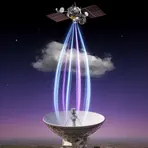
Very high radio waves used by radars and satellites between 30 and 300 gigahertz
How High
- Specialized
1
4.5

- Specialized
1
3.7
- Specialized
1
4.6
- Specialized
- Specialized
2
4.9
- Specialized
1
6.8
Surface Forms
Morphology
The phrase is compositionally built from the degree adverb 'extremely' modifying the adjective 'high' and the noun 'frequency', so a learner who knows the parts will understand it means a very high rate/very high frequency. Although the precise numeric radio-band definition (30–300 GHz) is technical, that domain-specific detail does not make the basic meaning unpredictable from the constituents.
Etymology
Extremely high frequency comes from describing radio waves that happen 'very fast', like tiny ripples close together on water. That picture shows why it means waves that repeat many times per second and can carry a lot of data, so they are used for things like satellites and radar.