
extrafloral


 1
8.4
- adjective
- /ˌɛkstrəˈflɔrəl/
- Specialized
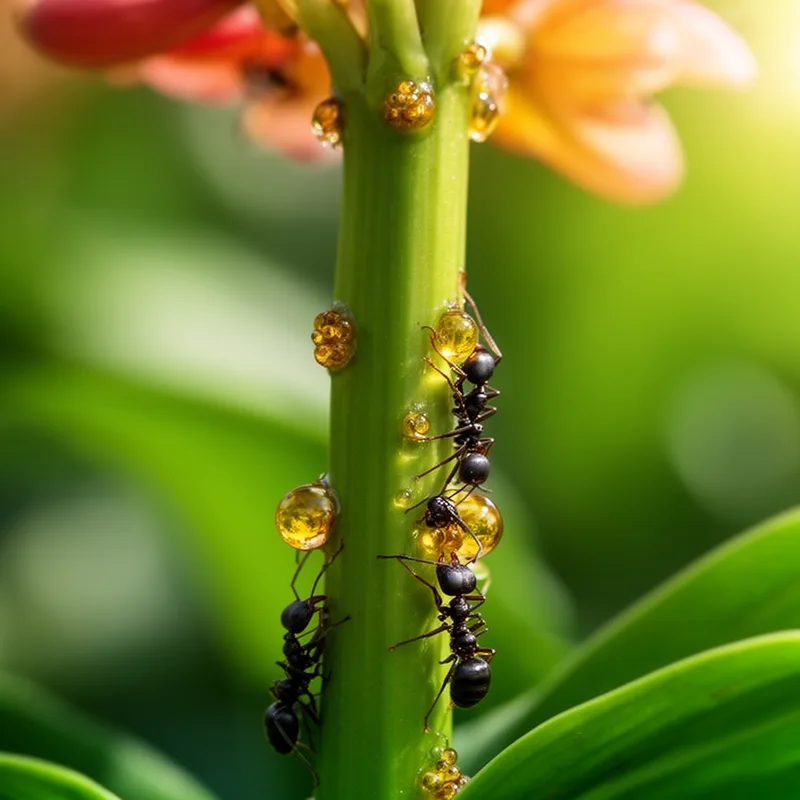
- Some plants have extrafloral nectaries that attract ants for protection.
- extrafloral nectaries
Examples
-
The presence of extrafloral structures can help plants defend against herbivores.
-
Plants with extrafloral nectaries produce nectar outside their flowers to attract helpful insects.
-
Researchers studied the extrafloral glands found on the stems of certain tropical species.
-
The extrafloral nectaries attract many pollinators.
-
These plants have extrafloral structures that serve a purpose.
-
The presence of extrafloral structures on the plant can provide additional resources for pollinators.
-
Some species have extrafloral nectaries that release sugar-rich liquid near their leaves to draw in beneficial ants.
Surface Forms
Morphology
Etymology
Extrafloral combines extra- meaning 'outside' and floral meaning 'flower'. So extrafloral describes parts of a plant 'outside the flowers', for example nectar glands on stems that are not in the flower and can help protect the plant.