
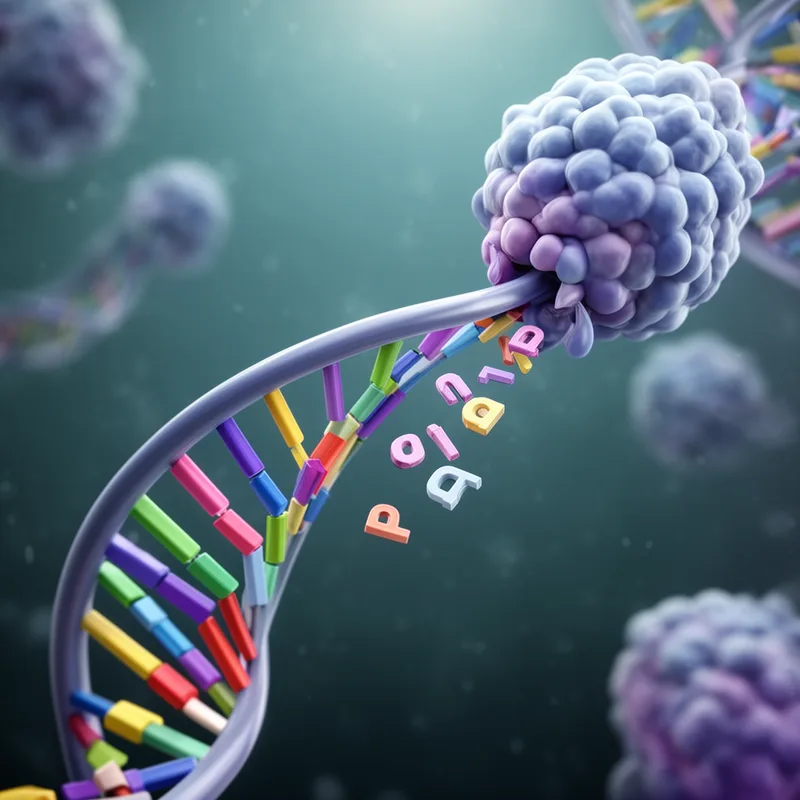
exonuclease


 1
9.9
A protein that removes the building blocks from the end of DNA or RNA one by one
- noun
- /ˌɛksoʊˈnjuːkleɪs/
- Specialized
:
exonucleasa
- For example, if one were starting to map transcription factor binding sites today, you would almost certainly use some flavor of exonuclease ChIP, rather than the ChIP-seq techniques that dominate the ENCODE data.
Examples
-
The research team used exonuclease to remove unwanted nucleotides from the DNA strands.
-
So the error rate is kind of similar to the error rate with the exonuclease activity for DNA.
-
We talked about exonucleases, which chew DNA from the ends in the context of DNA replication.
-
In the lab, the scientist purified the exonuclease before using it in the DNA analysis experiment.
-
The function of exonuclease is crucial as it helps maintain the accuracy of DNA replication.
Synonyms
 1
8.8
A protein that cuts DNA or RNA into smaller pieces
removes nucleotides one by one from a chain end rather than cutting anywhere
Surface Forms
exonuclease singular
exonucleases plural
Morphology
Etymology
Exonuclease comes from exo- meaning 'outside' (as in exit) and nuclease meaning 'an enzyme that cuts DNA or RNA'. So an exonuclease is an enzyme that removes small pieces from the outside end of a DNA or RNA chain.