
exilic


 1
9.9
- adjective
- /ɪɡˈzɪlɪk/
- Formal
- The exilic period for the Jewish people in Babylon is a significant event in their history.
- post-exilic
- exilic and diasporic
Examples
-
Yet, Mustafa Sa'eed is also an exilic subject according to Madelaine Hron's understanding of the concept in terms of "alienation" (Hron, 2009: 12) from the host culture.
Academic text (2018) -
Bernd Janowski puts the matter well: "Yet it was during this exilic night that Israel gained a fundamentally new perspective into her saving history and the God revealed in it."
Academic text (2005) -
And therefore all the language of theology that Dante is has been describing is part of this exilic longing of human beings.
-
El Salahi's is a psychological longing, one that is part of exilic and diasporic experience.
Academic text (2008) -
In the first four verses, the writer, most likely an exilic Jew writing under the influence of post-exilic reflections,
Academic text (2000) -
Rastas seek not to deny the validity of traditional readings of the Psalms but to reinterpret them in their exilic experience in the Caribbean.
Academic text (2000) -
The fiction Mustafa Sa'eed is living in the West is characterized by homelessness; Mustafa Sa'eed becomes an exilic subject in this sense, except that this exile is voluntary.
Academic text (2018) -
Federman's personal history, spanning a sequence of traumatic events (World War II, the Holocaust, exile, and transplantation on the New Continent), fits the paradigm of the exilic, post-Holocaust writer.
Academic text (1994) -
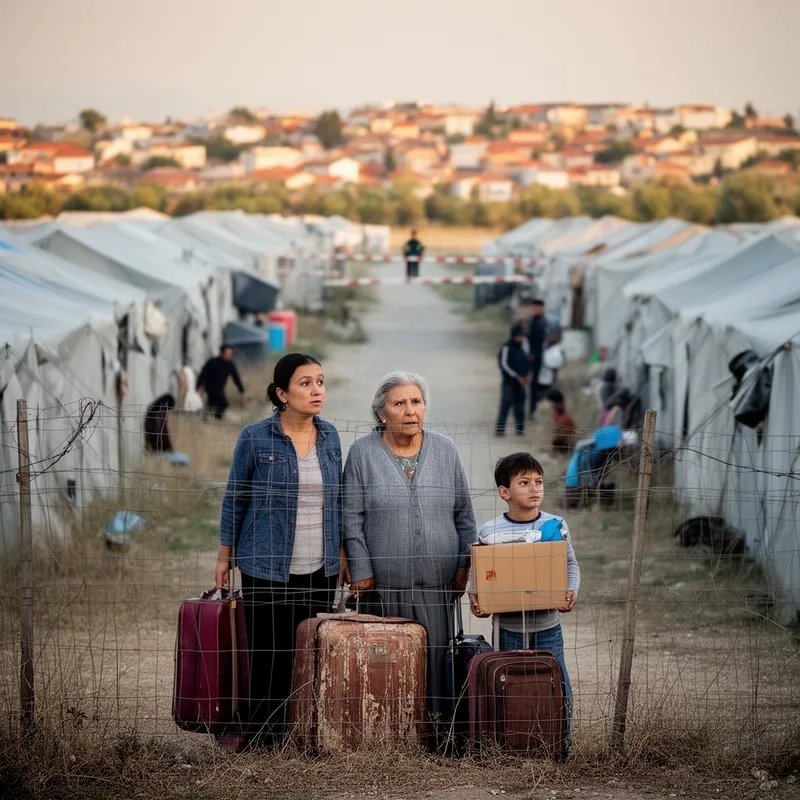
The novel explores themes of identity and belonging in the context of an exilic experience faced by many refugees.
-
Artists often depict their feelings of loss and hope through exilic themes in their work.
Surface Forms
Morphology
Etymology
Exilic comes from exile, which has the part ex- meaning 'out', as in exit, and a root meaning 'to leave'. So exilic describes being 'out' away from your home or a period when people are forced to live away from their country.