
exergy
 4
9.9

- noun
- /ˈɛksərdʒi/
- Specialized
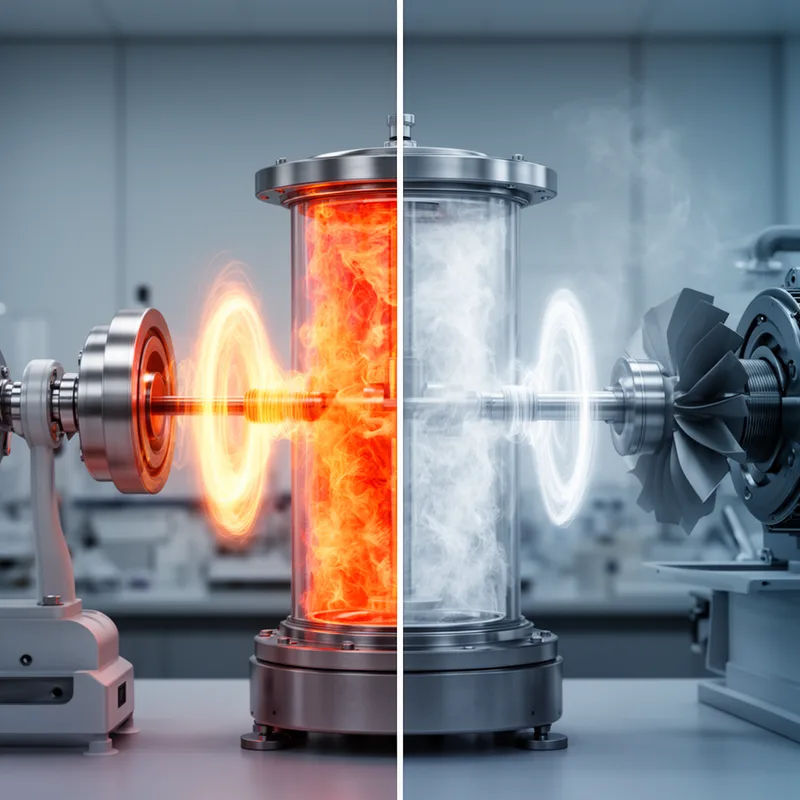
- The concept of exergy helps us understand how efficiently a system can convert energy into work.
- exergy analysis
Loading YouTube…
Watch on YouTubeAgain, another setup is the exergy kind of discussion.
- Again, another setup is the exergy kind of discussion.
- Later on when we give a say a few words about exergy and this is one form of exergy.
Examples
-
Electricity has the highest exergy, and low-grade waste heat the lowest.
Blog text (22) -
To travel one meter will need 908 Joules - this is the exergy per meter.
Blog text (1) -
The supplied energy is zero, but the real energy use is the exergy use.
Blog text (1) -
As technology improves, we can get higher exergy from the same fuels.
Blog text (22) -
I think what would be a more accurate measure is the exergy intensity of GDP.
Blog text (1) -
Then they are a net exergy producer (turning near zero exergy solar radiation into high exergy electricity).
Blog text (22) -
Diesel has an exergy of 30-50%, depending on the efficiency of the engine; gasoline 15-25%.
Blog text (22) -
Diesel has an exergy of 30-50%, depending on the efficiency of the engine; gasoline has 15-25%.
Blog text (22) -
In sustainability studies, analyzing the exergy of different energy sources is crucial for improving efficiency.
-
A higher exergy value indicates that a system can provide more useful energy compared to its environmental interactions.
Surface Forms
Morphology
Etymology
Exergy combines the prefix ex- ('out of') with energy, so it literally means the part of energy you can 'take out' and use. That's why exergy refers to the most useful work you can get from a system as it comes into balance with its surroundings.