
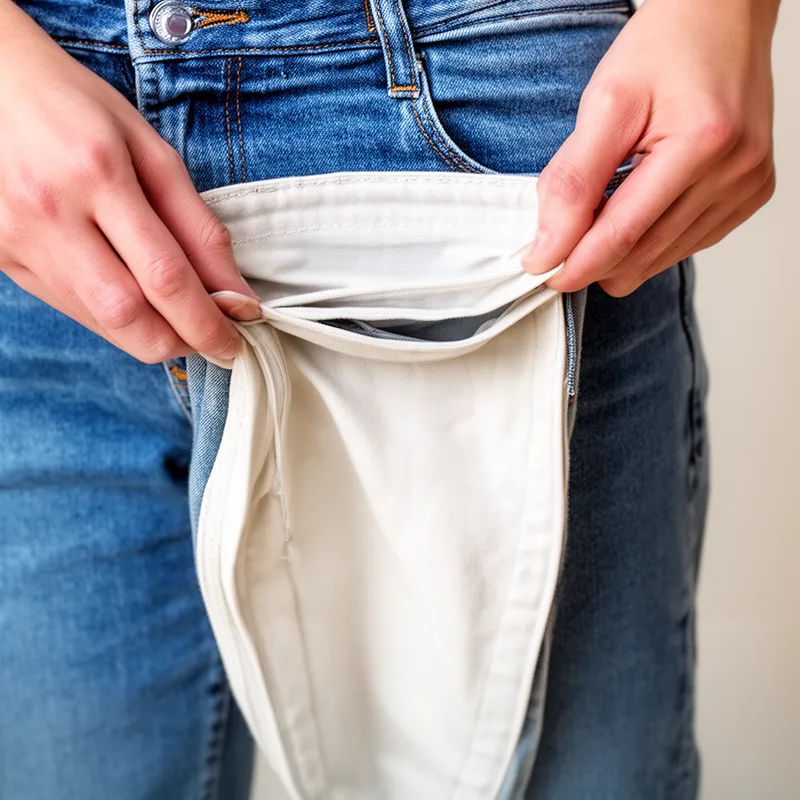
to evert
 1
9.9
1
9.9

- verb
- /ɪˈvɜrt/
- Specialized
- Marouane Fellaini's afro cut everted a magnetic effect on the ball as United's makeshift defense crumbled.
- everted rim
Examples
-
Sensing a kill, the sea star lurches forward to get its mouth positioned over the slug so that it can evert its stomach, digest the sea slug, and suck in its snack.
Academic text (2009) -
However, they seem to have been mostly jars or cooking pots, with inward-curving necks and everted or upright rims.
Academic text (2006) -
The three other stomachs that could be examined were empty, but not everted.
Academic text (1994) -
When the tonsil is pushed laterally, it rolls out and everts itself so that it is completely exposed.
Academic text (2004) -
PHOTO (COLOR): Globular vessel with everted rim.
Academic text (1996) -
If ocularity suggests isolation within a cave of images and shadows, we might think instead of excavated art histories and recall that a cave, everted, can be a globe.
Academic text (1994) -
The ocular envisions all that is subject to the field of view and to the mobile gaze, and the topological transformation of the cave into everted surface flows into continuity with the whole of the globe.
Academic text (1994) -
The doctor had to evert the wound edges to ensure proper healing.
-
During the procedure, the surgeon will evert the tissue to access the underlying structures.
-
When the rubber glove is everted, it becomes clean on the outside, ready for use.
Synonyms
Bring an organ or part of the body out of the body during surgery
Antonyms

How Everted

Surface Forms
Morphology
evert = vert + e (semi-transparent) = e + vert
The verb is formed from the productive prefix 'e-' meaning 'out' plus the Latin-derived combining form 'vert' (turn); learners who know Latin-derived combining forms will see the connection, but many learners will not, so it is only partly transparent.
Etymology
The word evert comes from a Latin root meaning 'to turn'; the e- part means 'out' and vert means 'turn', like in invert. So to evert something is to 'turn out' its inside so the inner surface faces outward.