
evangel


 1
9.9
1
9.9
- noun
- /ɪˈvæn.dʒəl/
- Literature
- The Pentecostal Evangel, not mincing words, maintained that a ruling against prayer and Bible reading would only encourage atheism.
Examples
-
Evangelism is proclaiming the evangel—the gospel.
Blog text (18) -
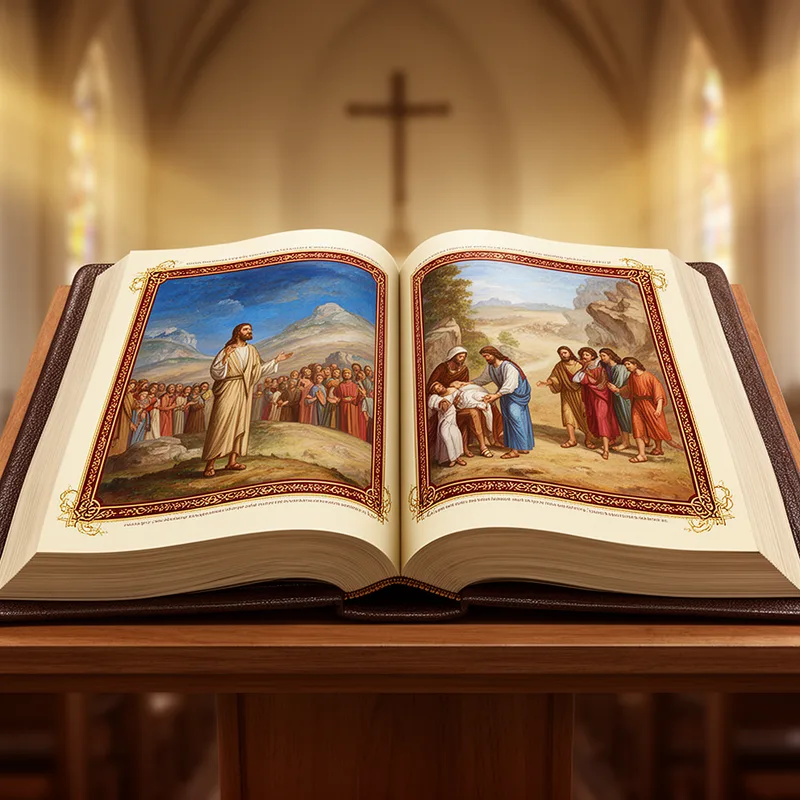
The four Gospels, known as the evangel, recount the life and teachings of Jesus Christ.
-
It's the evangel, or better known as the gospel.
Blog text (29) -
And I have chosen you to preach this evangel.
Blog text (22) -
First, the Evangel asserted that the United States was a Christian nation with a religious heritage that required public affirmations of God.
Academic text (1991) -
Finally, the Evangel argued that the majority of Americans supported prayer and Bible reading in the public schools and, as such, the practice was not offensive to the rights of nonbelievers.
Academic text (1991) -
On 15 July, The Pentecostal Evangel, the official organ of the Assemblies of God, published an editorial entitled "The Ban Against God."
Academic text (1991) -
In church, we often read passages from the evangel to learn more about Christ's message.
-
Many believers find inspiration in the stories of love and sacrifice found in the evangel.
Synonyms
 46
4.2
46
4.2
One of the four books in the Christian Bible that tells about Jesus's life and teachings

The four books in the New Testament that tell about Jesus' life and teachings
Surface Forms
Etymology
The word evangel comes from Greek parts eu- ('good') and angelion ('message'), so it means 'good news'. It is the same idea as the word gospel, and that's why evangel can mean the four New Testament books that tell the 'good news' about Christ.