
euchromatin
- noun
- /juːˈkroʊmətɪn/
- Specialized
- The presence of euchromatin is essential for the regulation of genes necessary for cell growth.
Examples
-
Heterochromatin (as opposed to euchromatin) is highly condensed, which makes it bind firmly to certain dye molecules (Mitchison and Salmon 2001).
Academic text (2009) -
Euchromatin is crucial for gene expression as it allows euchromatin to be accessed by transcription factors.
-
Euchromatin represents 64% of the soybean genome, with a range of 40–85% on an individual chromosome.
Blog text (27) -
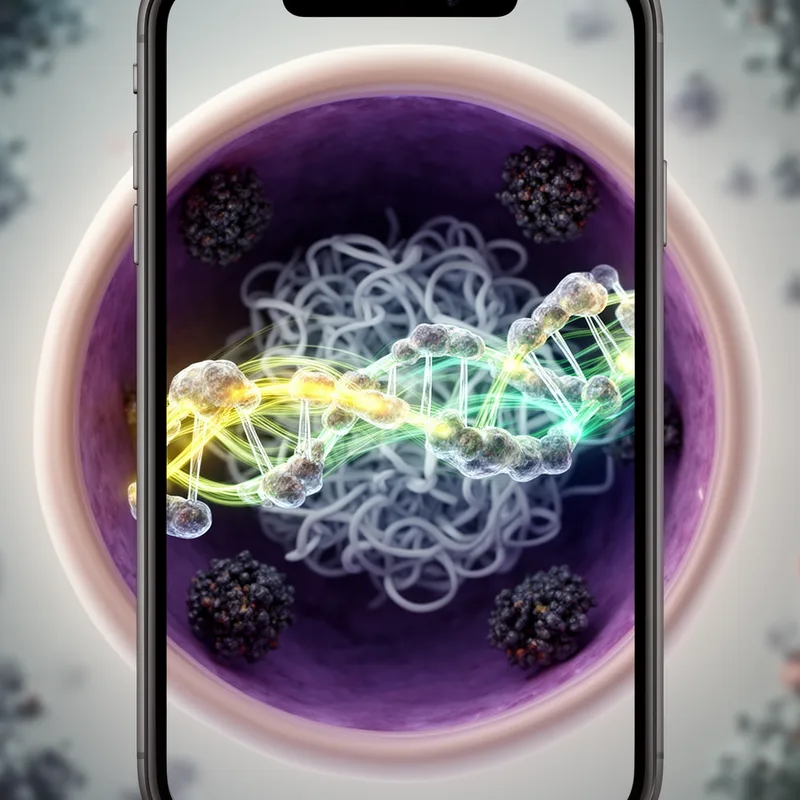
In a cell nucleus, euchromatin appears less condensed than heterochromatin, indicating active regions of genes.
How Active
- Specialized

- Specialized
Surface Forms
Morphology
Etymology
Euchromatin comes from Greek parts eu- meaning 'good' or 'well' and chroma meaning 'color', the same root you see in chromosome. So the name hints at how this part of chromatin looks under a microscope — it is more open and loosely packed, which is why euchromatin is usually the active part where genes are used.

