

estuary
 13
4.7
13
4.7

- noun
- /ˈɛstjuːˌɛri/
- The Amazon River has one of the largest estuaries in the world, where freshwater meets the ocean.
- coastal estuaries
- river estuary
- tidal estuaries
Loading YouTube…
Watch on YouTubeThey know about tides and estuaries and brackish water versus freshwater.
- They know about tides and estuaries and brackish water versus freshwater.
- And these estuaries and inverse estuary circulations are all thermahaline circulations.
- And these estuaries where red tide hasn't affected and can't affect because red tide is salt water.
Examples
-
It's on the Indian River, and it opens up to this big estuary.
-
Remember the Hudson is an estuary where the water flows in then flows out.
-
It's the biggest estuary in America.
-
"You should go up to the estuary," I said to him.
Fiction book (1996) -
There is one installed right now right here at the entrance of this estuary here in Northern Ireland.
-
Report just come in from the Thames Estuary, sir.
-
One of the most beautiful estuaries in all of America.
-
That is why restoring this estuary is so important.
-
I found the most beautiful clams down by the estuary.
-
And so here we are, a year later, to celebrate this beautifully restored estuary, a project so important to the future of the Everglades.
Synonyms

 1
9.9
1
9.9
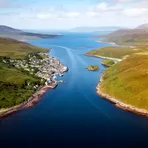
A long narrow part of the sea that goes into the land
How Salty

Surface Forms
Etymology
The word estuary comes from the Latin root aestus, meaning 'tide' or 'surge', and came into English through Old French. So an estuary is the place where a river meets the sea and the tides push in, mixing salt water with fresh water, which explains why estuaries are wide and always changing.